The Ferrari 250 GTO: A New Era in Sports Cars (And 4 More Facts)
The Ferrari 250 GTO didn’t just dominate on tracks; it changed how we see sports cars entirely. Discover its legacy and more amazing stories in auto history!
By The Car Geek · May 28, 2026
- 01
Unveiling the Iconic GTO - A New Era
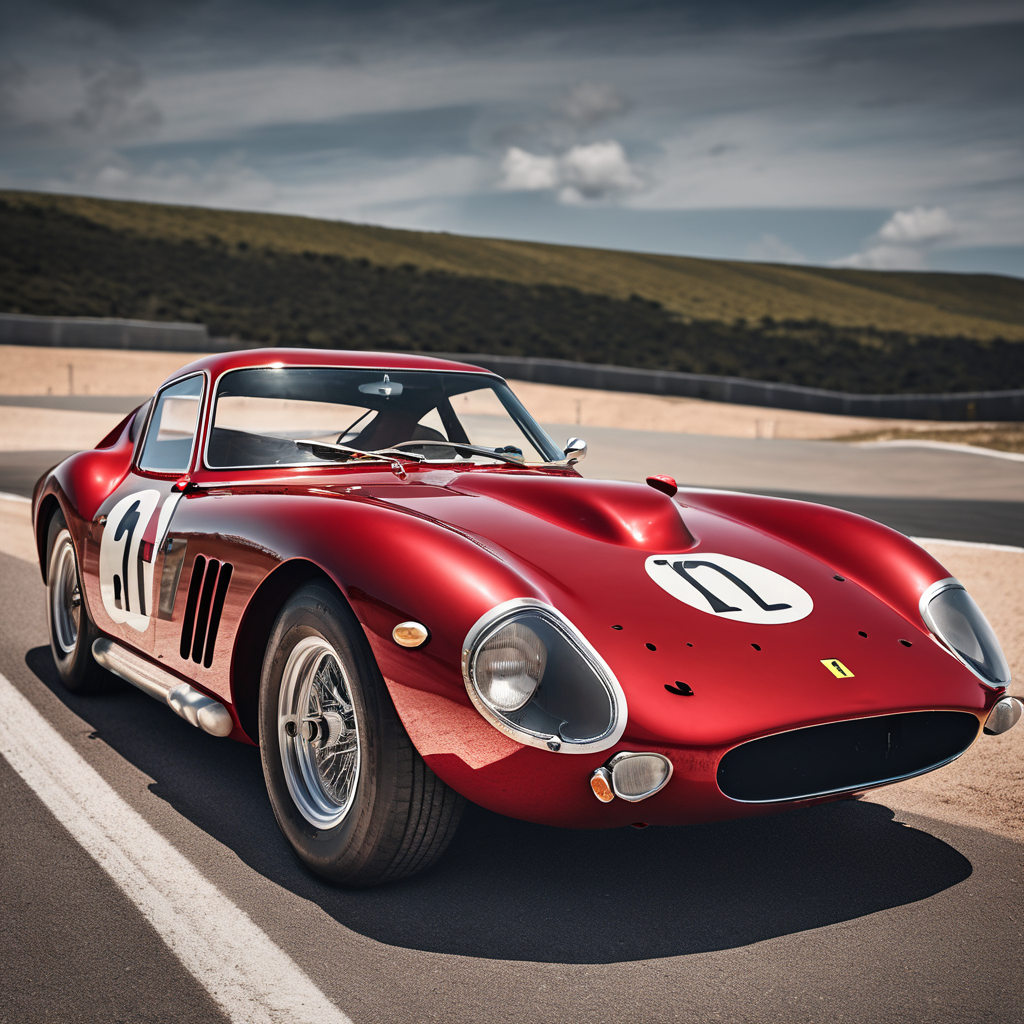
The 1962 Ferrari 250 GTO debuted as one of the most revered sports cars, combining stunning design with groundbreaking performance. With its lightweight body and 3.0-liter V12 engine, the GTO was designed not only for beauty but for competitive dominance on racetracks across Europe. Before the GTO, sports cars often sacrificed aerodynamics for power; the GTO broke this mold by harmoniously integrating both aspects, leading to several significant racing victories. Its success in competitions like Le Mans and the Targa Florio changed consumer perceptions, proving that performance-oriented vehicles could also be timeless pieces of art. As a result, the GTO pushed other manufacturers to raise their design expectations and performance standards, reshaping the luxury sports car market into one focused on exclusivity and unparalleled engineering excellence for decades to come.
Ferrari 250 GTO (1962) — Unveiling the Iconic GTO - A New Era - 02
The Revolutionary F40 Joins the Ranks
In 1984, Ferrari launched the F40, a car that would redefine what performance could be. Developed to commemorate Ferrari's 40th anniversary, the F40 was one of the first production cars to feature a composite body and was equipped with a powerful twin-turbocharged V8 engine producing 478 horsepower. At a time when performance variants were becoming increasingly heavy and complex, the F40's lightweight construction and minimalistic interior represented a backlash against excess, focusing instead on raw driving experience. This innovation not only captivated enthusiasts with its unfiltered performance but also set new standards for the supercar segment, pushing competitors to adapt or risk losing their market share. The F40 remains a symbol of innovation and passion, influencing the design and engineering philosophies of numerous cars that followed in the high-performance arena.
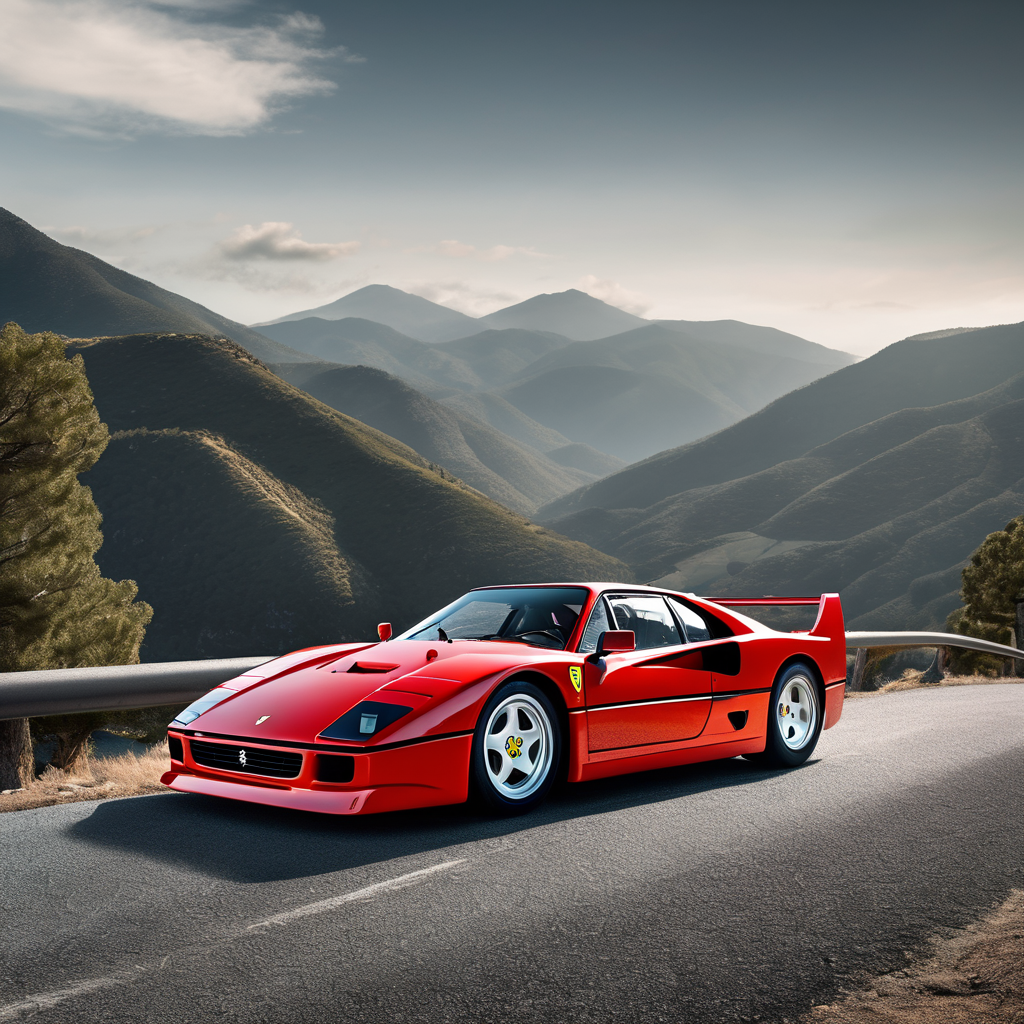
Ferrari F40 (1984) — The Revolutionary F40 Joins the Ranks - 03
The Dynamic Enzo - Form Meets Function
The release of the Ferrari Enzo in 2002 stood as a milestone in automotive design and engineering, marrying cutting-edge technology with breathtaking aesthetics. Named after the founder Enzo Ferrari, this masterpiece was equipped with a 6.0-liter V12 engine that could accelerate from 0 to 60 mph in just 3.14 seconds, showcasing Ferrari's commitment to performance. Its use of advanced materials such as carbon fiber and aluminum not only reduced weight but enhanced safety and rigidity, aligning with industry trends leaning towards better performance through lightweight design. The Enzo's production only included 400 units, solidifying its exclusivity and status as a collector's item. The technological innovations present in the Enzo, including its active aerodynamics and driver-assist features, paved the way for future supercars, influencing design philosophies and engineering practices across the industry, proving that performance could be elevated through thoughtful design and technology integration.
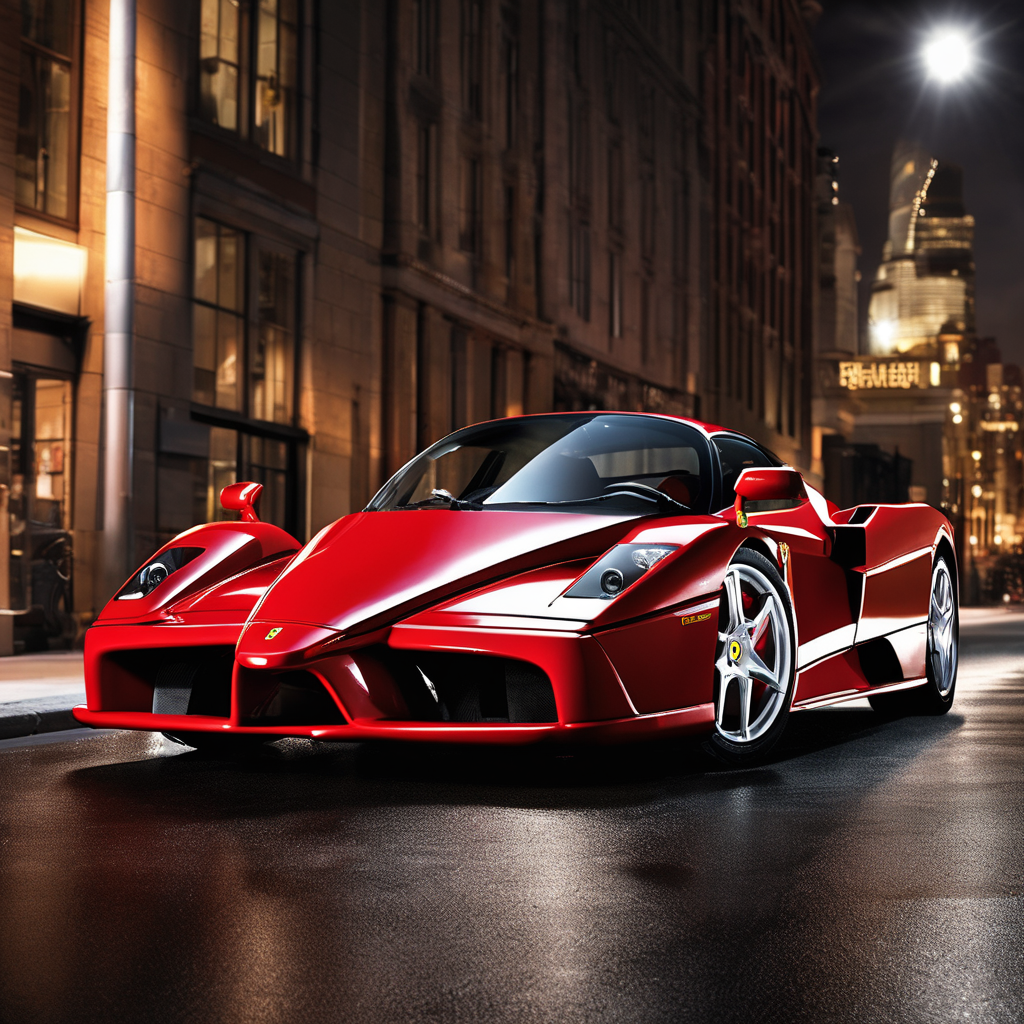
Ferrari Enzo (2002) — The Dynamic Enzo - Form Meets Function - 04
Ferrari's Shift: The All-Electric Future
In 2025, Ferrari is set to unveil their first all-electric vehicle, marking a significant shift in the brand’s century-long legacy of performance and engineering excellence. Prior to this, Ferrari was known for its high-performance gasoline engines, with a storied history of racing pedigree. As environmental concerns and regulatory pressures grew globally, the automotive industry began transitioning towards electric vehicles. Ferrari's entry into the EV market not only signals a commitment to sustainability but also aims to uphold the brand's iconic status by marrying electric efficiency with the trademark Ferrari performance ethos. Collaborating with technological firms and investing in battery technology, Ferrari's electric model is expected to feature impressive torque and handling capabilities, revolutionizing perceptions of electric performance cars. This move could redefine the luxury automotive market, encouraging competitors to elevate their game in terms of performance, technology, and efficiency while attracting a new generation of eco-conscious car enthusiasts.
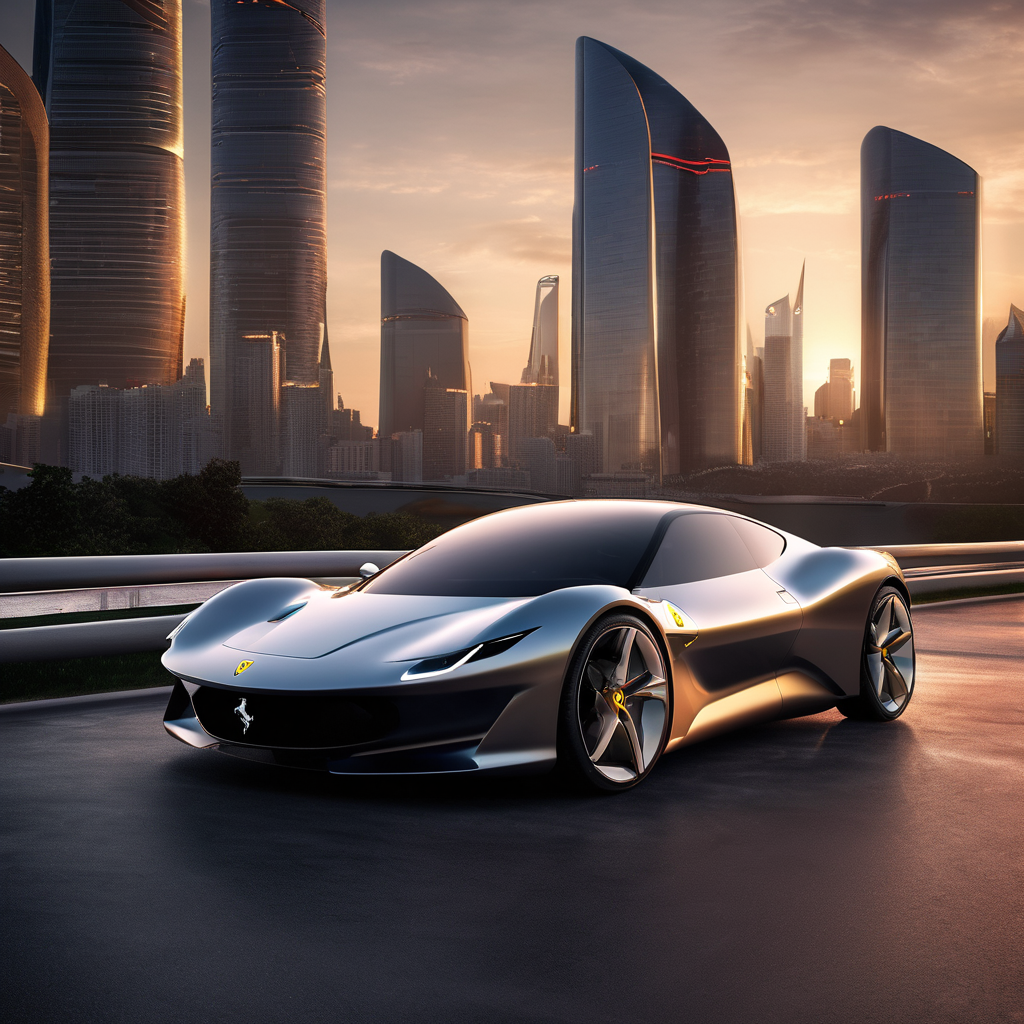
Ferrari Electric Vehicle (2025) — Ferrari's Shift: The All-Electric Future - 05
The Birth of the Prancing Horse - 125 S
In 1947, Ferrari unveiled its first road car, the 125 S, marking a pivotal moment in automotive history. This vehicle was powered by a revolutionary 1.5-liter V12 engine designed by Gioachino Colombo, which transitioned Ferrari from a racing team to a legitimate manufacturer of road cars. Before this, the automotive landscape was dominated by more traditional manufacturers focused on mass production, where performance and design took a backseat to everyday utility. The introduction of the 125 S changed that paradigm by showcasing that high performance and exquisite design could coexist within a manufacturing model. Its success laid the foundation for Ferrari's lasting reputation in both racing and luxury markets, enabling them to innovate aggressively in design and technology over the subsequent decades. This car set the stage for Ferrari's approach to engineering excellence, establishing a blueprint that many sports car manufacturers still adhere to today.
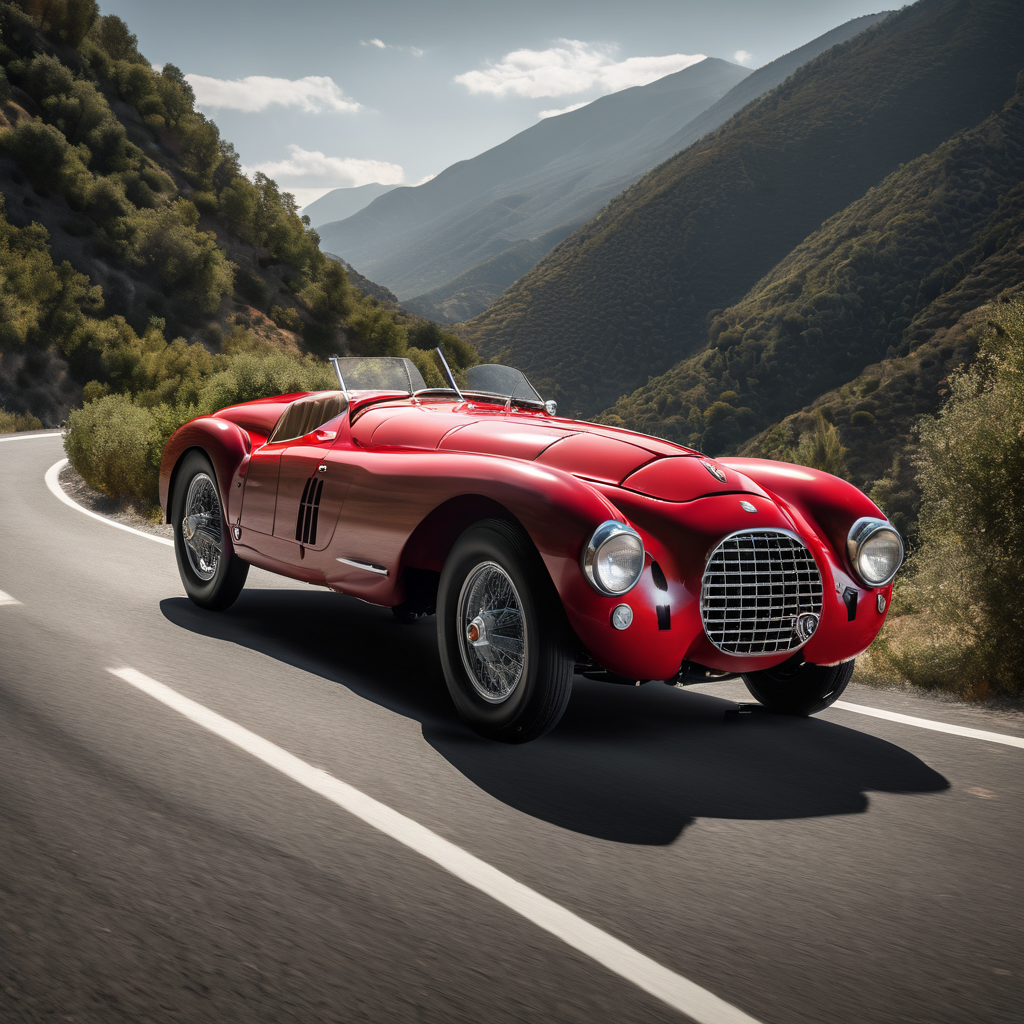
Ferrari 125 S (1947) — The Birth of the Prancing Horse - 125 S
Explore More
By Brand
Car Facts Daily · Issue 072