Rivian R1T: The Electric Adventure Begins — Plus 4 More Car Facts
Rivian's R1T isn't just a truck; it's a game-changer for electric vehicles! 🚚⚡ Discover its 750 horsepower and how it's reshaping our roads!
By The Car Geek · May 30, 2026
- 01
The Future of Driving: Rivian's Electric Adventure
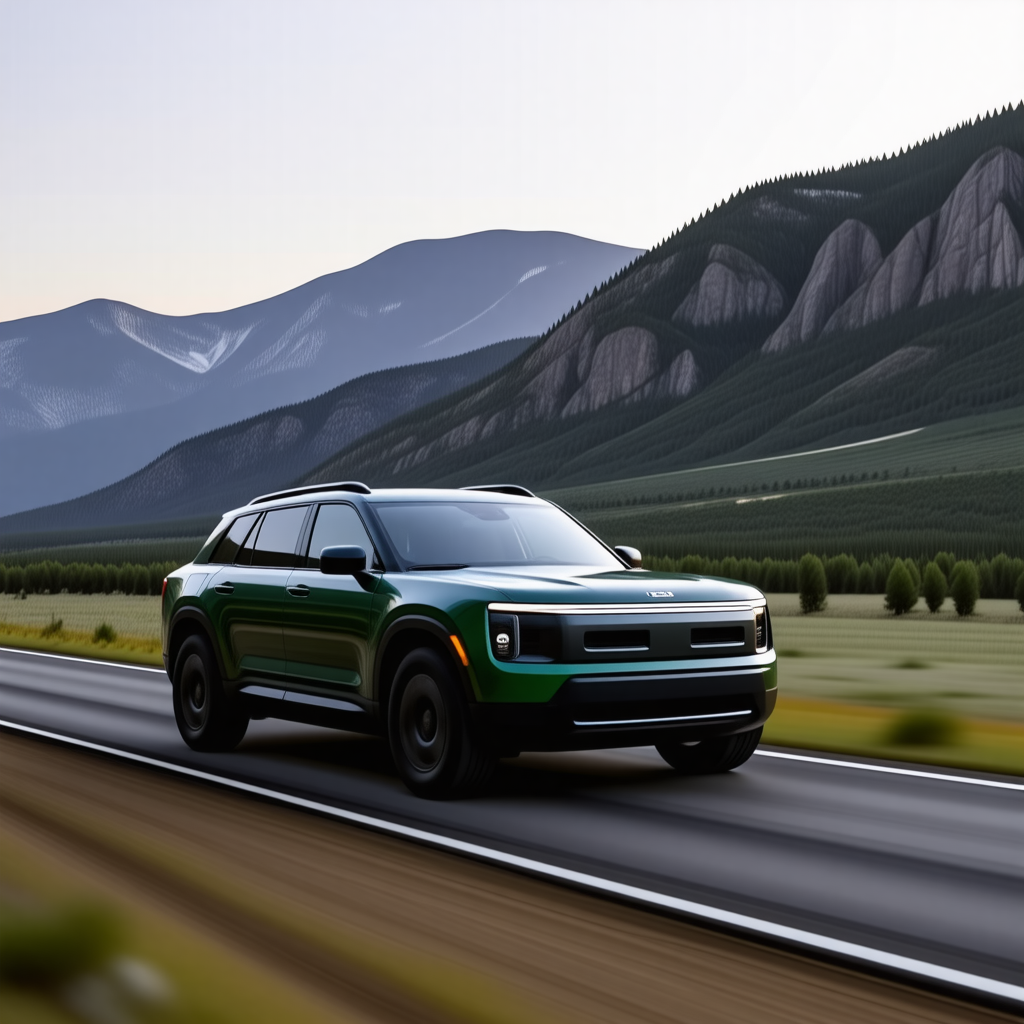
In 2021, Rivian began delivering its all-electric R1T truck, a significant milestone in the shift toward electric vehicles on American roads, including iconic Route 66. With a quad-motor setup and up to 750 horsepower, the R1T was designed for adventure, demonstrating capabilities like a 0-60 mph time of just 3 seconds and a 300+ mile range on a single charge. Before Rivian, the electric vehicle market was primarily dominated by sedans and small cars, but the R1T’s robust design opened up a new niche for electric trucks. This not only influenced consumer expectations for power and utility in EVs but also pressured traditional automakers to innovate further in electric technology. Rivian's success has implications beyond just this model; it signifies a broader acceptance of electric vehicles globally and sets a precedent for the automotive industry to embrace sustainable practices, revolutionizing how consumers view travel in the electric era.
Rivian R1T (2021) — The Future of Driving: Rivian's Electric Adventure - 02
The Iconic Route 66 Beckons with Mustang
In 1964, the launch of the Ford Mustang at the New York World's Fair transformed the American sports car landscape, aligning perfectly with the vibrant culture of Route 66. The Mustang, with its sleek, curved lines and affordable price starting at $2,368, became a symbol of freedom and adventure, representing the youthful spirit of the era. It featured various engine options, including a 271-horsepower V8, and offered customization that appealed to a broad demographic. Prior to the Mustang, American cars were often heavy and overly conservative, but Ford's innovation marked a shift towards lighter, performance-oriented vehicles. This shift not only inspired competitors across the globe, such as the British MG and the Japanese Toyota 2000GT, but it also firmly embedded the Mustang into the collective memory of Route 66, making it an enduring symbol of American road culture.
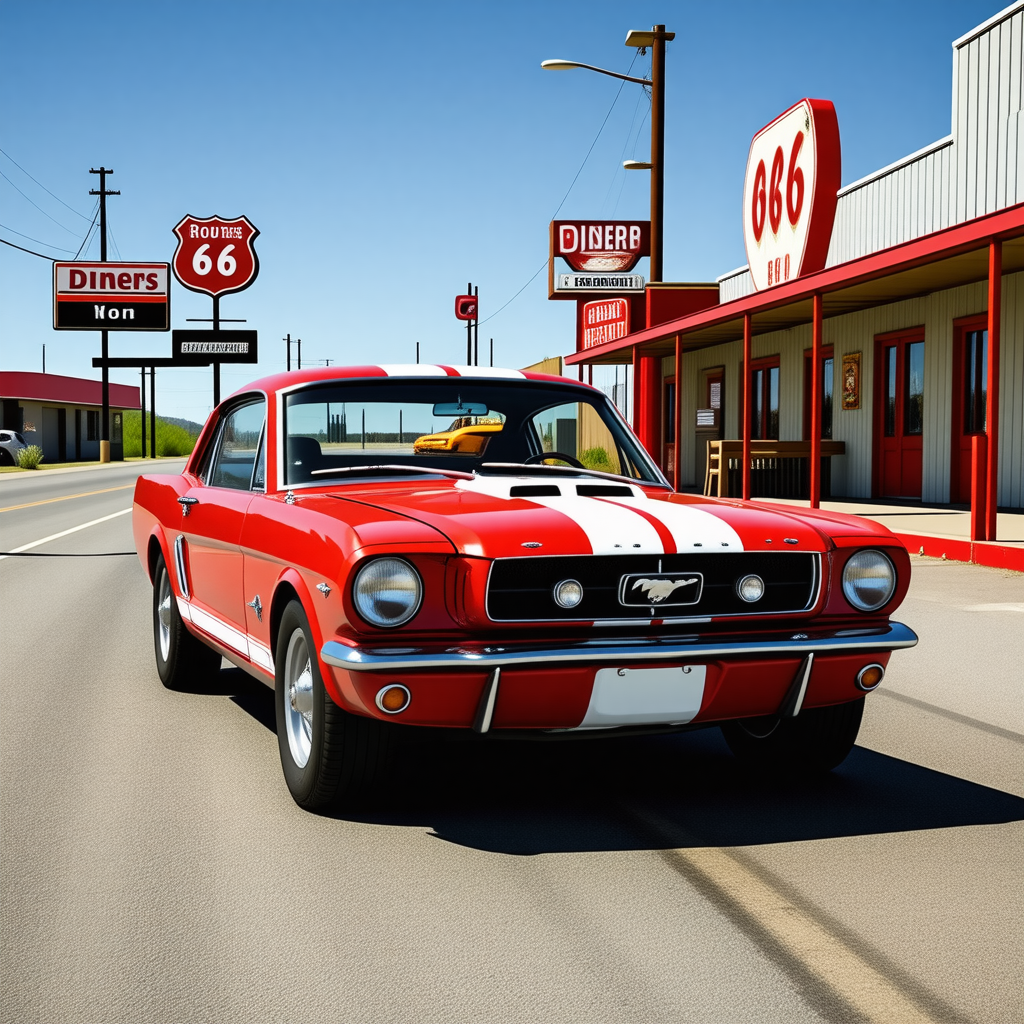
Ford Mustang (1964) — The Iconic Route 66 Beckons with Mustang - 03
Japan's Racing Legacy Hits the Open Road
In 1986, the Nissan 300ZX was launched, blending cutting-edge technology and performance that captivated enthusiasts both in Japan and abroad. Featuring a twin-turbocharged 3.0-liter V6 engine producing 300 horsepower, the 300ZX was a standout in the growing Japanese sports car market, making waves not just in Japan but also along the iconic Route 66. The introduction of features like T-tops and an advanced digital dashboard marked a significant technological advancement. Before this model, Japanese cars were often overshadowed by American muscle cars, but the 300ZX showcased Japan's ability to compete in the sports car segment. This not only changed consumer perceptions of Japanese vehicles but also influenced automobile design and performance standards globally, leading to a series of innovations in sports coupe designs that continue to be celebrated today.
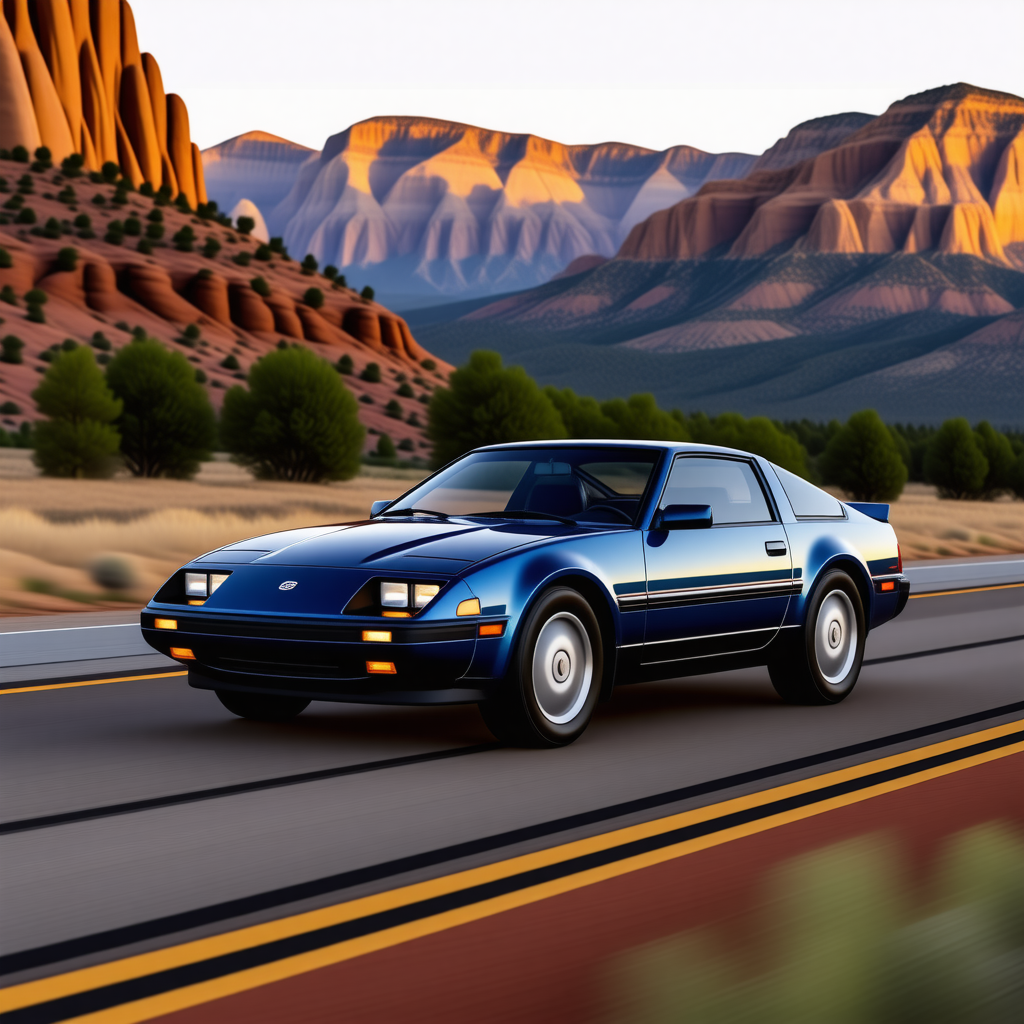
Nissan 300ZX (1986) — Japan's Racing Legacy Hits the Open Road - 04
Electric Dreams: Tokyo's Hybrid Revolution
In 2004, Toyota launched the second-generation Prius, marking a revolutionary moment in automotive history as it gained significant traction on Route 66 and beyond. This model, with its hybrid 1.5-liter engine generating 76 horsepower, not only prioritized fuel efficiency, achieving up to 55 miles per gallon, but also appealed to a growing environmentally-conscious consumer base. Prior to this, hybrids were niche products, but the Prius' success demonstrated a viable alternative to traditional gas-powered vehicles. Its introduction spurred competitors worldwide, including Honda and later companies like Tesla, to accelerate their own hybrid and electric vehicle developments. The Prius reshaped perceptions of what was possible in automotive innovation, driving advancements in battery technology and efficiency that are standard in today’s vehicles, and it paved the way for a global shift towards sustainability and eco-friendliness in the industry.
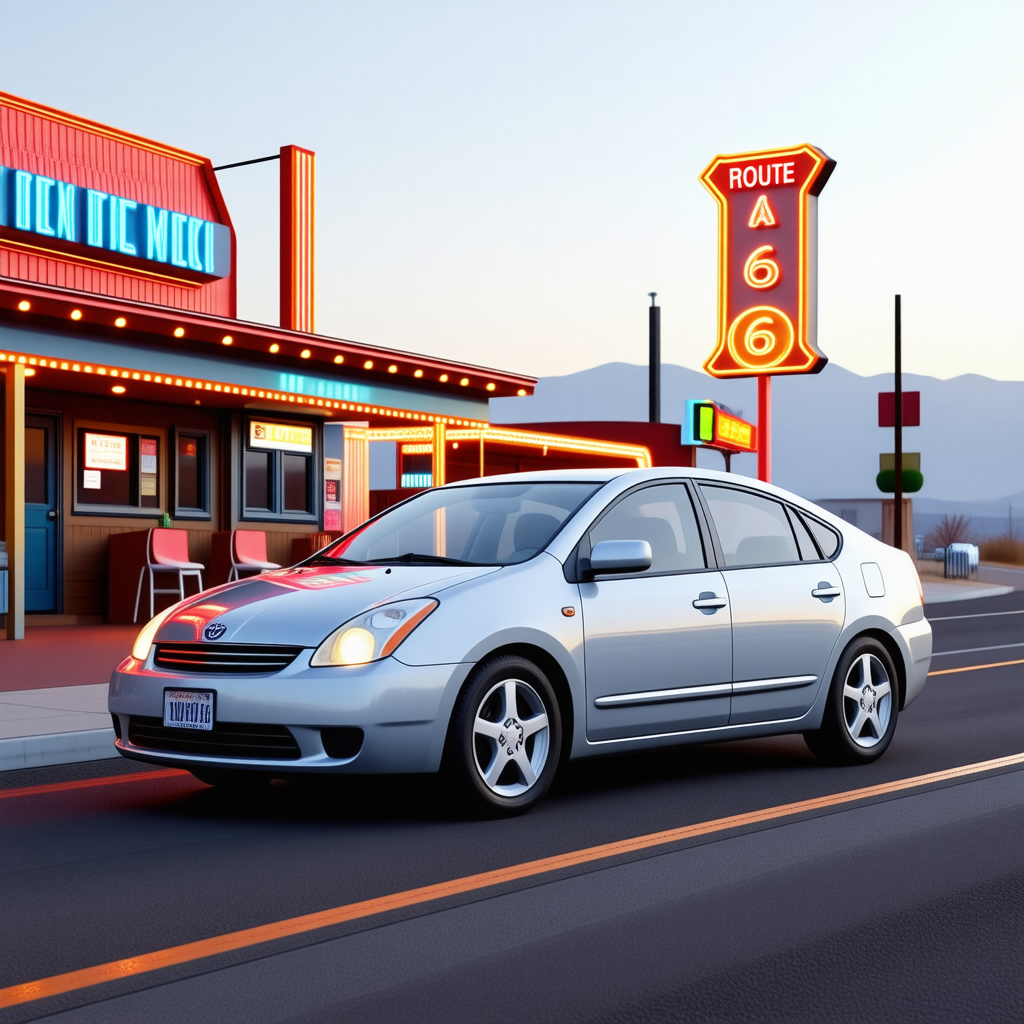
Toyota Prius (2004) — Electric Dreams: Tokyo's Hybrid Revolution - 05
The Birth of the Tourist Car Phenomenon
In 1926, the advent of the Ford Model T Touring Car marked a significant shift in automotive culture, as it introduced affordable family travel to the masses. At a price of around $360, this model made long-distance road trips accessible, enabling families to explore America on Route 66 for the first time. Before this, automobiles were largely considered a luxury for the affluent. The Model T's design featured a lightweight body and a powerful 20-horsepower engine, making it an ideal vehicle for the unpaved roads of the time. This revolutionized transportation habits, leading to a boom in roadside motels and diners as travelers sought accommodations on their journeys. Consequently, car manufacturers worldwide began to prioritize family-centric designs that catered to leisure travel, setting the stage for the car culture that thrives today.
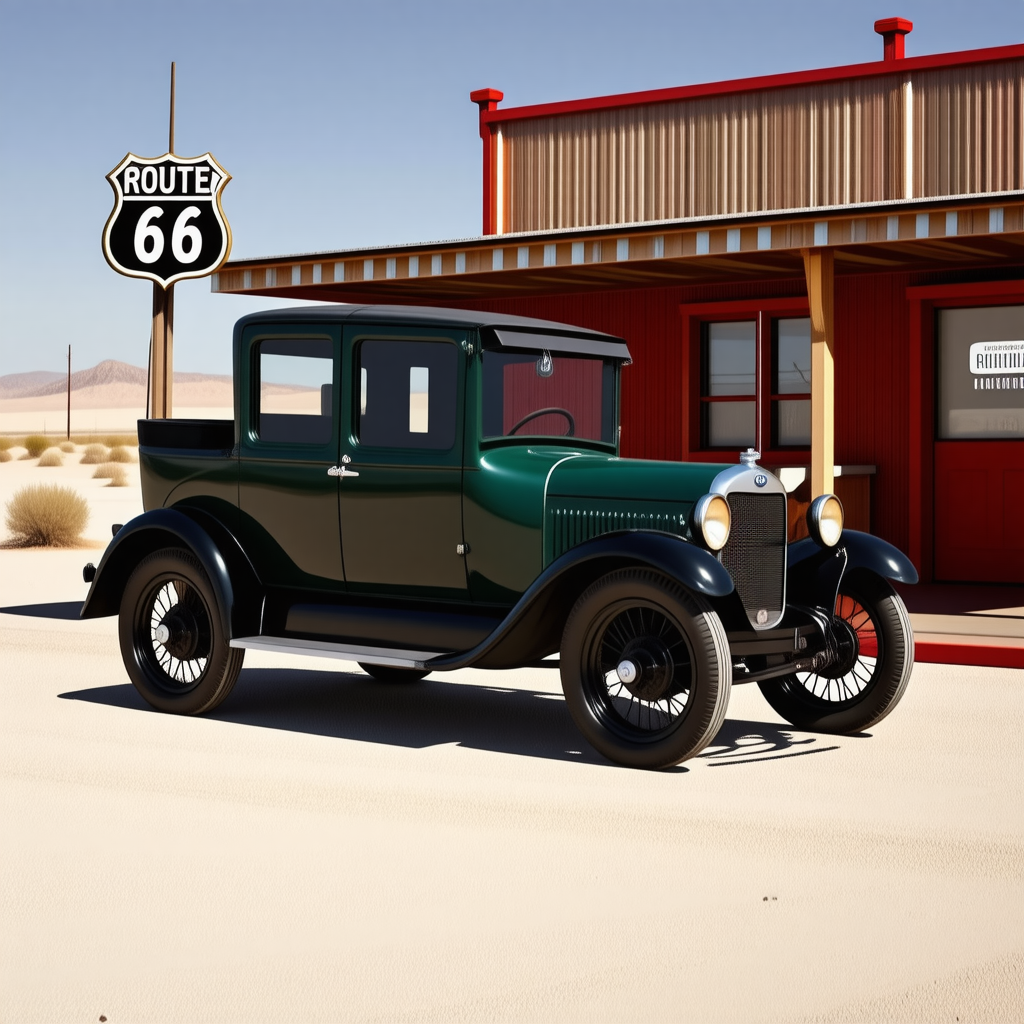
Ford Model T Touring Car (1926) — The Birth of the Tourist Car Phenomenon
Explore More
By Brand
Car Facts Daily · Issue 082