Toyota Prius: The First Mass-Produced Hybrid — Plus 4 More Car Facts
Did you know the Toyota Prius was the first mass-produced hybrid? This game-changer changed the way we drive forever! 🚗💨
By The Car Geek · June 1, 2026
- 01
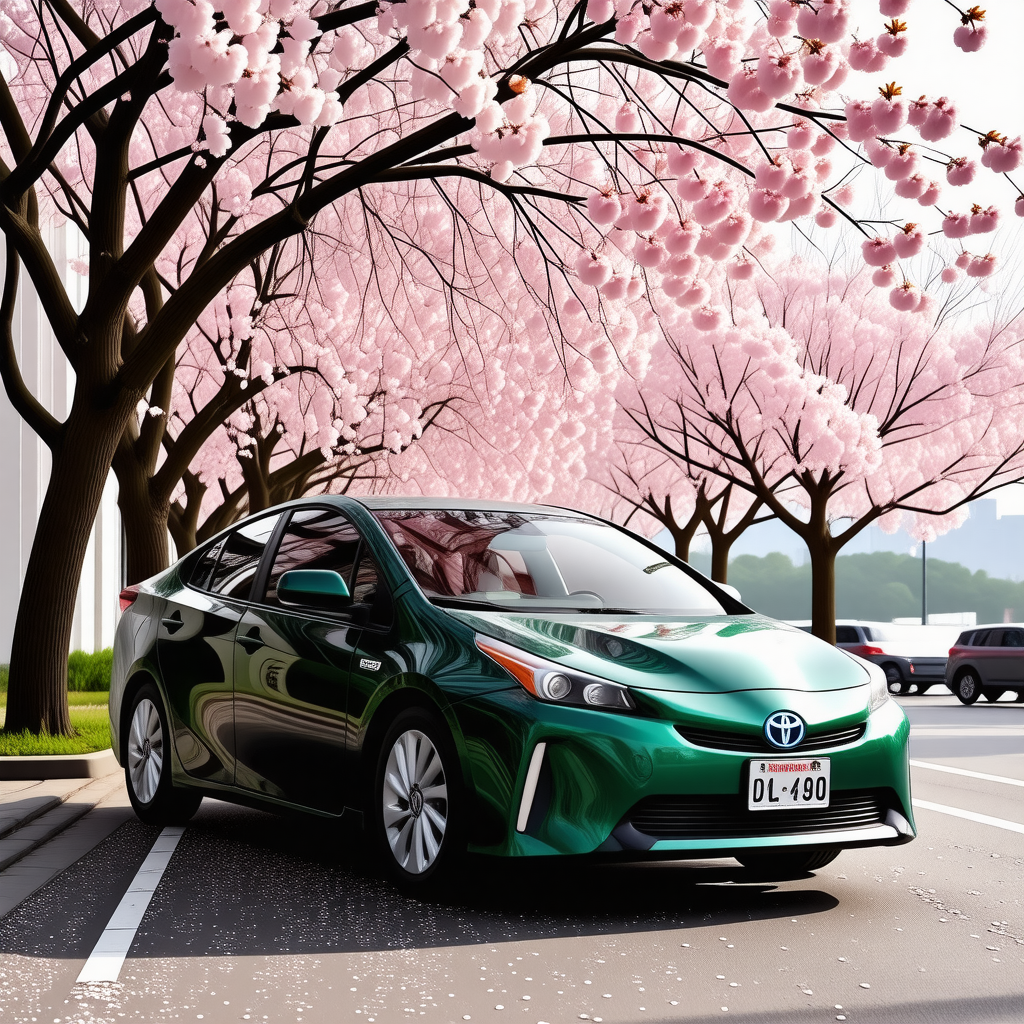
Japan's Revolution: The Toyota Prius Emerges
In 1997, Toyota launched the Prius, the world's first mass-produced hybrid electric vehicle, in Japan, revolutionizing the automotive landscape. It incorporated a 1.5-liter gasoline engine paired with an electric motor, delivering impressive fuel efficiency of 61 miles per gallon. Prior to the Prius, hybrid technology was largely unexploited, with few prototypes and experimental models failing to gain traction. This launch marked a significant cultural shift towards eco-conscious driving, appealing to consumers concerned about the environment and rising fuel costs. The innovative design, featuring a sleek aerodynamic shape, was met with skepticism initially but soon garnered strong demand, marking the beginning of a new era in automotive engineering focused on reducing carbon emissions. The success of the Prius has since inspired countless manufacturers to explore hybrid and electric options, fundamentally changing consumer expectations and shaping corporate strategies towards sustainability and cleaner technologies in the automotive sector.
Toyota Prius 1997 (1997) — Japan's Revolution: The Toyota Prius Emerges - 02
Global Transition: India's EV Tax Policy Revolution
In 2022, India implemented a transformative tax policy aimed at incentivizing electric vehicle adoption, becoming one of the largest markets for EVs outside of the U.S. The government introduced a GST rate reduction on EVs from 12% to 5% and offered state-level subsidies, bolstering consumer interest and spurring manufacturers to ramp up production. Before this policy, electric vehicles were often viewed as premium products, inaccessible to the average consumer due to high tariffs and costs. The new regulations greatly reduced the price barrier, leading to a 200% increase in EV sales during the following year. This ground-breaking policy not only highlighted India’s commitment to reducing carbon emissions and improving air quality in urban areas but also attracted significant investment into local EV manufacturing capabilities. The ripple effects of this policy extended globally, encouraging other nations to reevaluate their own electric vehicle strategies and adopt similar incentives, marking a critical step towards achieving global sustainability goals.
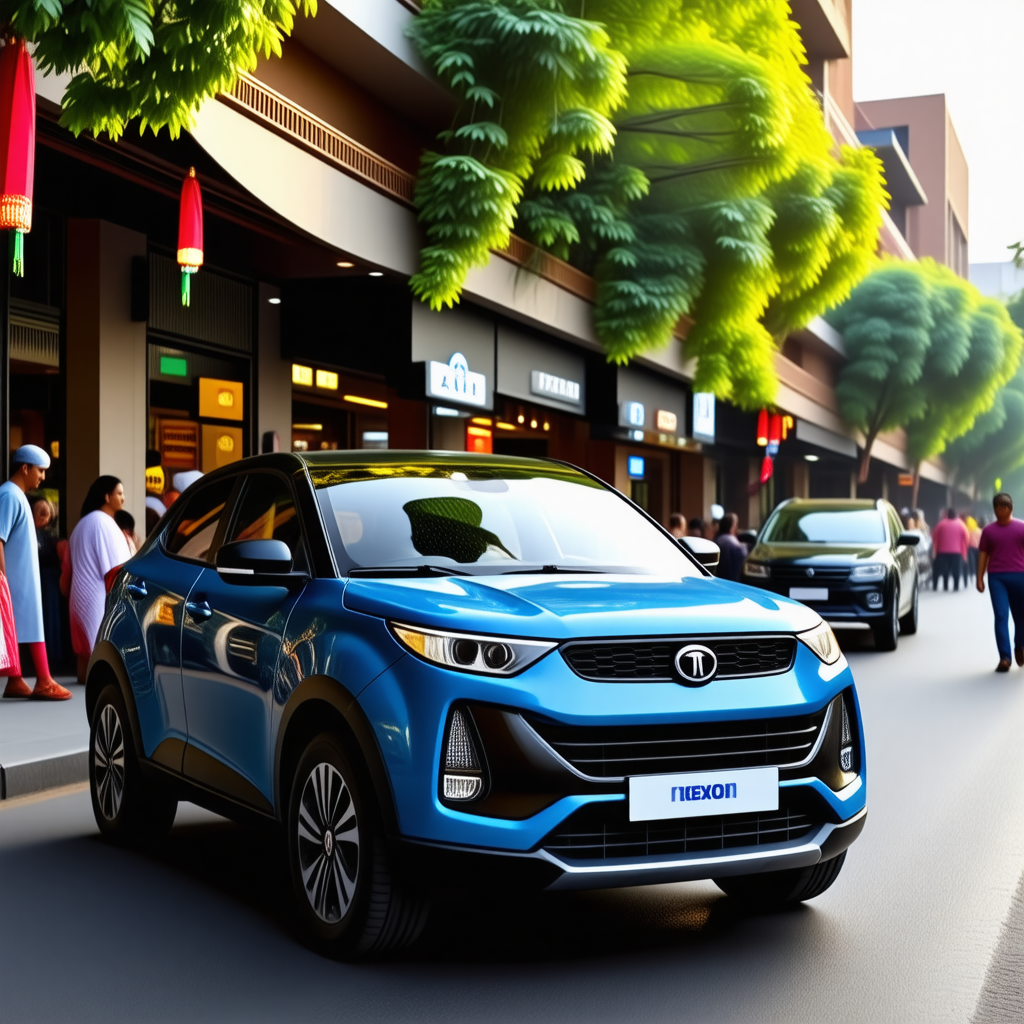
Tata Nexon EV 2022 (2022) — Global Transition: India's EV Tax Policy Revolution - 03
The First EV Racing Challenge in Europe
The 1975 running of the Monte Carlo Rally marked a significant moment in automotive history when the first fully electric vehicle, the Citroën's 'Mélusine,' raced on public roads. Piloted by legendary driver Michel Leclère, the Mélusine was equipped with lead-acid batteries and could reach a top speed of 55 miles per hour. Before this event, electric vehicles were largely absent from the competitive racing scene, viewed as slow and impractical compared to their gasoline counterparts. The Mélusine’s performance was notable for its time, showcasing that electric cars could participate in high-profile events and laying the groundwork for future EV competitions. While it did not win, the presence of an electric vehicle at such a prestigious event challenged the traditional notions of performance and opened discussions about sustainable motorsport. This event is now recognized as a crucial milestone that paved the way for electric racing events, influencing the future of motorsport and demonstrating that electric vehicles could be part of high-octane racing culture.

Citroën Mélusine 1975 (1975) — The First EV Racing Challenge in Europe - 04
The Birth of Electric Vehicles with Baker
In 1900, the Baker Motor Vehicle Company introduced the Baker Electrics, pioneering electric vehicles in the United States. These cars were designed by Walter Baker in Cleveland, Ohio, representing a bold new direction in urban transportation that prioritized quiet and emission-free driving. The Baker Electrics boasted a top speed of 20 miles per hour, catering primarily to affluent customers seeking reliability without the noise and pollution of steam or gasoline engines. Before Baker’s innovation, electric vehicles were often seen as mere curiosities or experimental designs, limited in range and practicality. The introduction of the Baker Electrics shifted public perception and demonstrated the potential of electric power for everyday mobility. Baker’s vehicles influenced future electric models and laid the groundwork for modern electric vehicle (EV) adoption. As city infrastructure began adapting to the automobile, the Baker Electrics showed the initial signs of a transition towards personal, pollution-free vehicles, setting the stage for future advancements in the automotive industry.
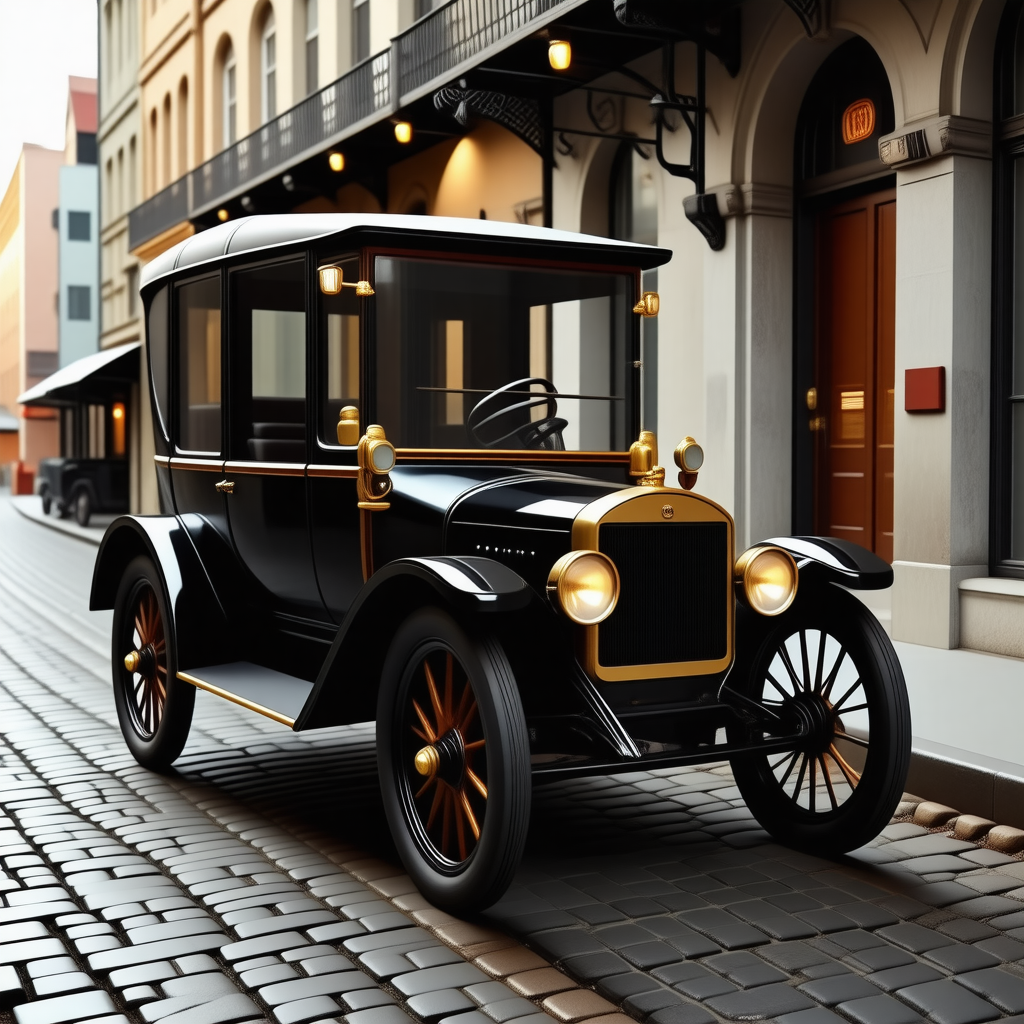
Baker Electric 1900 (1900) — The Birth of Electric Vehicles with Baker - 05
Game-Changer: Tesla Model S is Unveiled
In 2010, Tesla Motors launched the Model S, a luxury electric sedan that redefined performance standards and consumer expectations for electric vehicles. It boasted a record range of 300 miles on a single charge and could accelerate from 0 to 60 mph in just 4.4 seconds. Before the Model S, electric cars were often perceived as slow, utilitarian, and lacking in style. With its sophisticated design by Franz von Holzhausen, the Model S captured the imagination of consumers and critics alike, leading to increased investment in electric vehicle technology across the auto industry. Incorporating cutting-edge technology, including a large touchscreen interface and over-the-air software updates, the Model S set new benchmarks for technological integration in vehicles. Its success served as a catalyst for major automakers to accelerate their own EV strategies, marking a turning point in the transition to electrification in the automotive market. By combining luxury with sustainability, the Model S became a symbol of the modern electric vehicle resurgence.
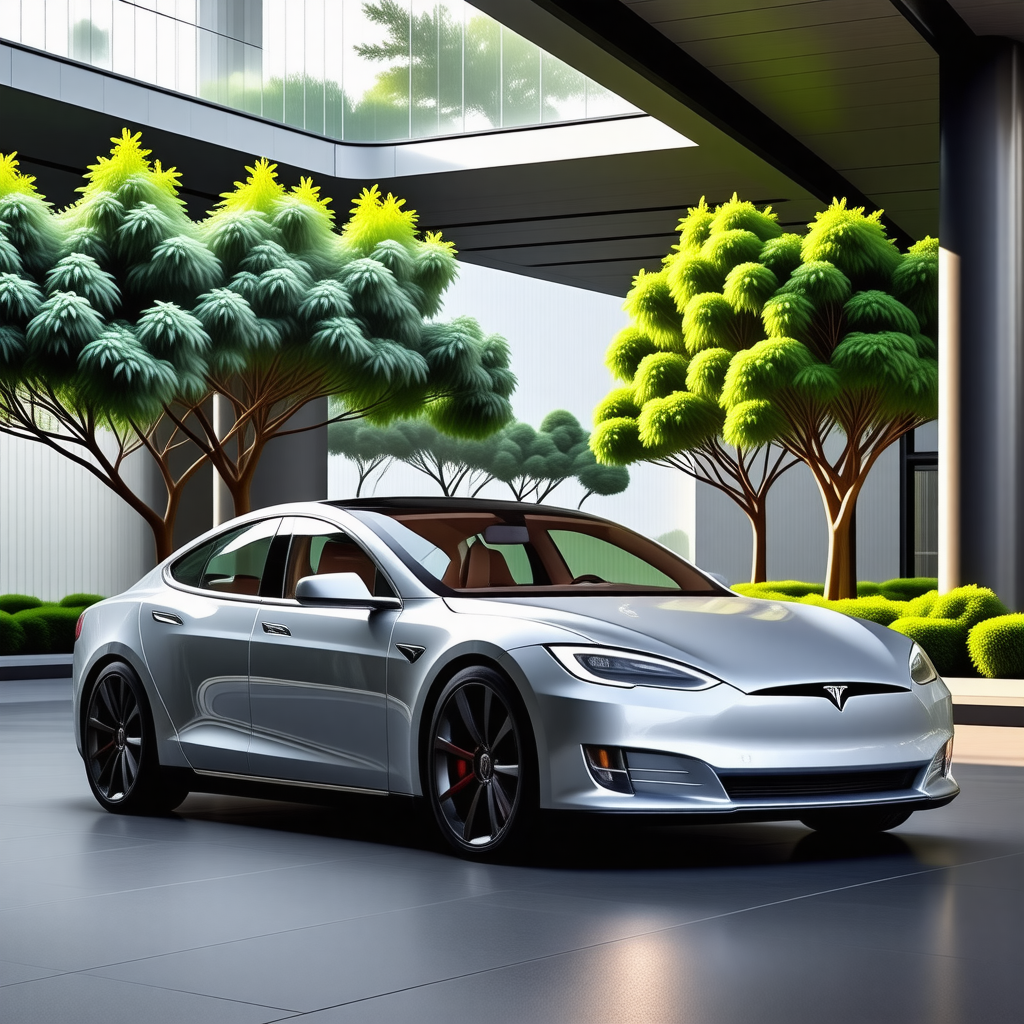
Tesla Model S 2010 (2010) — Game-Changer: Tesla Model S is Unveiled
Explore More
Car Facts Daily · Issue 084