Mini Cooper's Monte Carlo Victory — And 4 More Car Facts
Did you know the Mini Cooper took on giant cars and won the Monte Carlo Rally back in '64? Check out the story behind this ace performance! 👇
By The Car Geek · June 4, 2026

- 01
Mini Cooper's Iconic Monte Carlo Victory
In 1964, the Mini Cooper, driven by Paddy Hopkirk, secured a legendary victory at the Monte Carlo Rally, marking a pivotal moment for small cars in motorsport. This win highlighted the Mini's exceptional handling and agility, as it tackled challenging terrain and fierce competition from larger, more powerful vehicles. At a time when rally racing was dominated by traditional, larger engined cars, this triumph showcased the potential of compact vehicles. Hopkirk's success, aided by the car's 1,000 cc engine, laid the foundation for the Mini's status as an automotive icon. The event catalyzed a shift in rally design, prompting manufacturers to reevaluate how small cars could compete effectively in motorsport. Before this, the industry largely favored size and power, but the Mini Cooper's victory demonstrated that handling and compactness could triumph. The success contributed significantly to the popularity of the Mini brand, leading to its enduring legacy and influence on car design, including innovations in weight distribution and chassis design that continue to be relevant today.
Mini Cooper (1964) — Mini Cooper's Iconic Monte Carlo Victory - 02
The Mini Electrifies: A New Era of Mobility
In 2023, the all-electric Mini Cooper SE was launched, showcasing a perfect blend of performance and sustainability, signaling a new chapter for the Mini brand. This model represented a culmination of years of research and development focusing on zero-emission vehicles within a spirited driving environment, aligning with global trends toward green technology in automotive markets. The Cooper SE, capable of 0-60 mph in just 7.3 seconds, is powered by a 181 hp electric motor and boasts a range of approximately 110 miles on a single charge, which surprised many considering its compact size. The launch indicated both Mini's and BMW's commitment to leading the charge in electrification while appealing to the eco-conscious consumer. Before the SE's release, many compact electric cars struggled with performance and range, but Mini's offering emphasized that environmentally friendly cars could also be thrilling to drive. The introduction of the Cooper SE has since influenced how manufacturers approach the compact vehicle segment, encouraging advancements in electric technology and design that appeal to a wider demographic, thereby shaping the future of urban mobility.
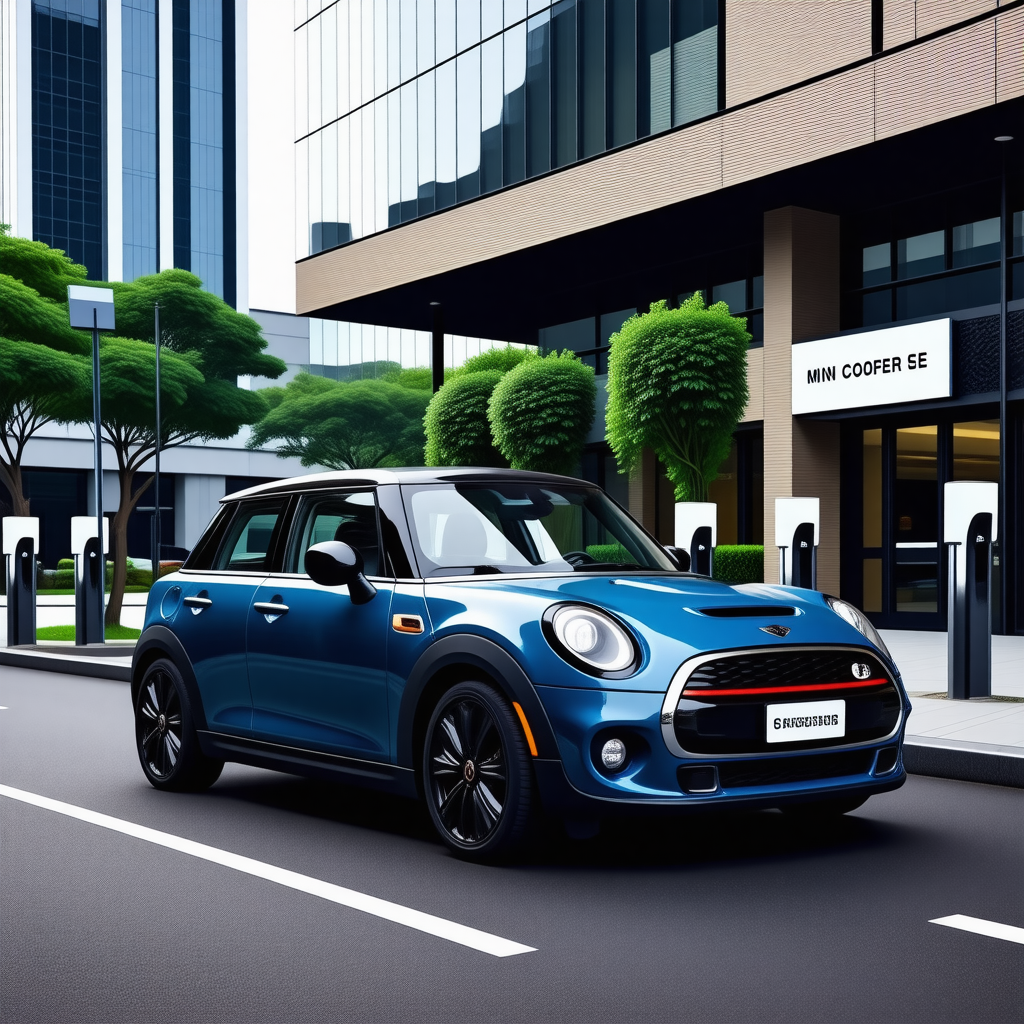
Mini Cooper SE (2023) — The Mini Electrifies: A New Era of Mobility - 03
The Remarkable Rally Evolution of the Mini
By 1979, the Mini Cooper had cemented its legacy in rally racing, being used extensively in various motorsport events across Europe and beyond, impacting rally car design. Its small footprint and light weight led to a significant evolution in rally vehicles, emphasizing the values of maneuverability and efficiency. Many rally teams adopted similar designs, creating a ripple effect that transformed the approach to racing through the 1980s. Notably, the car's successful adaptation to various terrains pushed manufacturers to innovate their suspension systems and drivetrain designs, setting new benchmarks. The Mini Cooper's impact extended beyond its competitive success; it inspired a generation of car enthusiasts and small vehicle aficionados worldwide. This shift towards compact performance cars has profoundly influenced how manufacturers view utility and performance, leading to modern innovations in lighter materials and advanced aerodynamics that continue to redefine vehicle performance today.
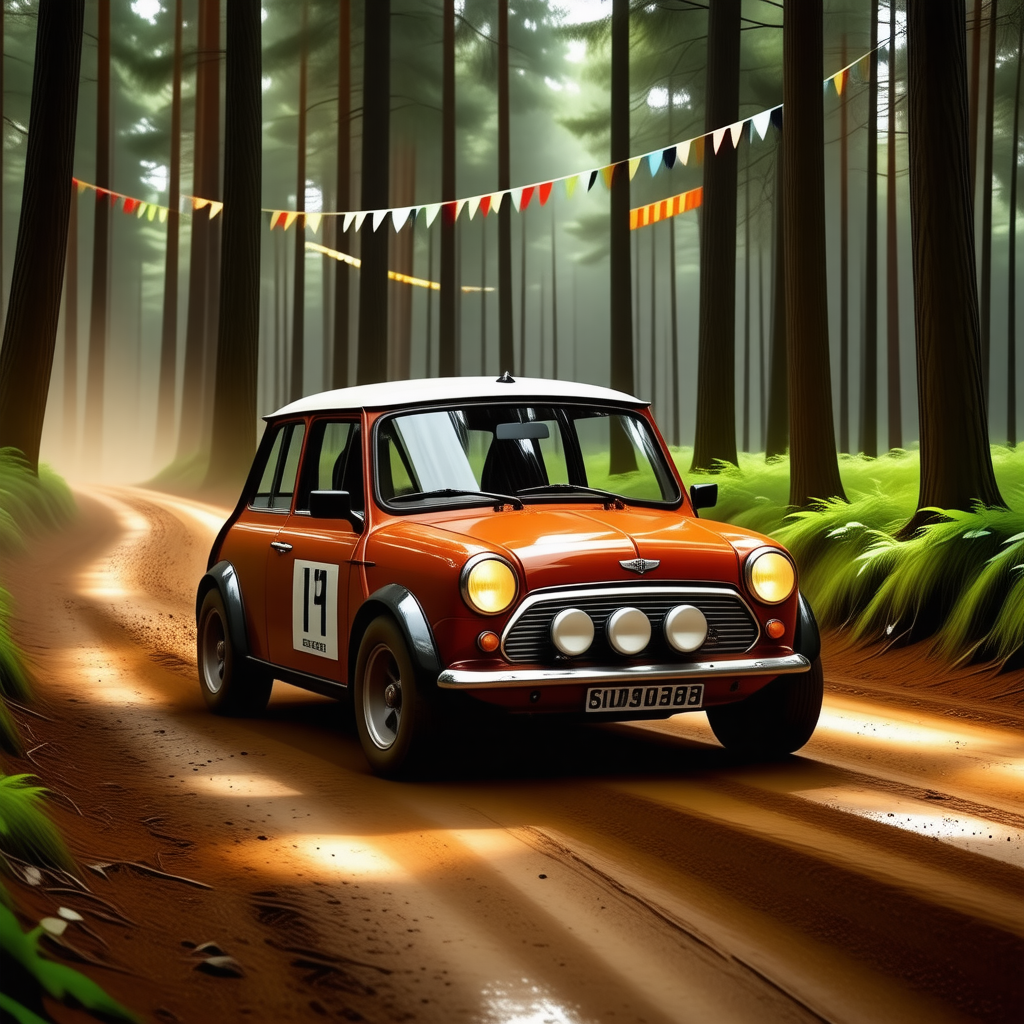
Mini Cooper (1979) — The Remarkable Rally Evolution of the Mini - 04
Mini's Engage in Sustainability: Electric Concept
In 2010, the Mini revealed the Mini E, an electric version of the classic Mini, embarking on a pioneering journey towards sustainable transportation. This marked a significant moment for the automotive industry amidst growing environmental concerns and a global push towards reducing carbon emissions. The Mini E featured a 150 kW electric motor, providing approximately 204 horsepower and an impressive 0-60 mph time of just 8.5 seconds. The initiative not only highlighted Mini's commitment to sustainability but also set a precedent for legacy brands to explore electric options, influencing broad trends in EV development. The trial offered insights that helped shape future electric models while also directly corresponding with the changing consumer demand for eco-friendly vehicles. Before this, electric vehicles were primarily seen as impractical options; however, the Mini E exemplified a shift towards usability and style in electric cars. This forward-thinking approach helped jumpstart exploratory efforts into integrating electric powertrains across various segments, paving the way for the growing prominence of electric vehicles in the automotive market today.
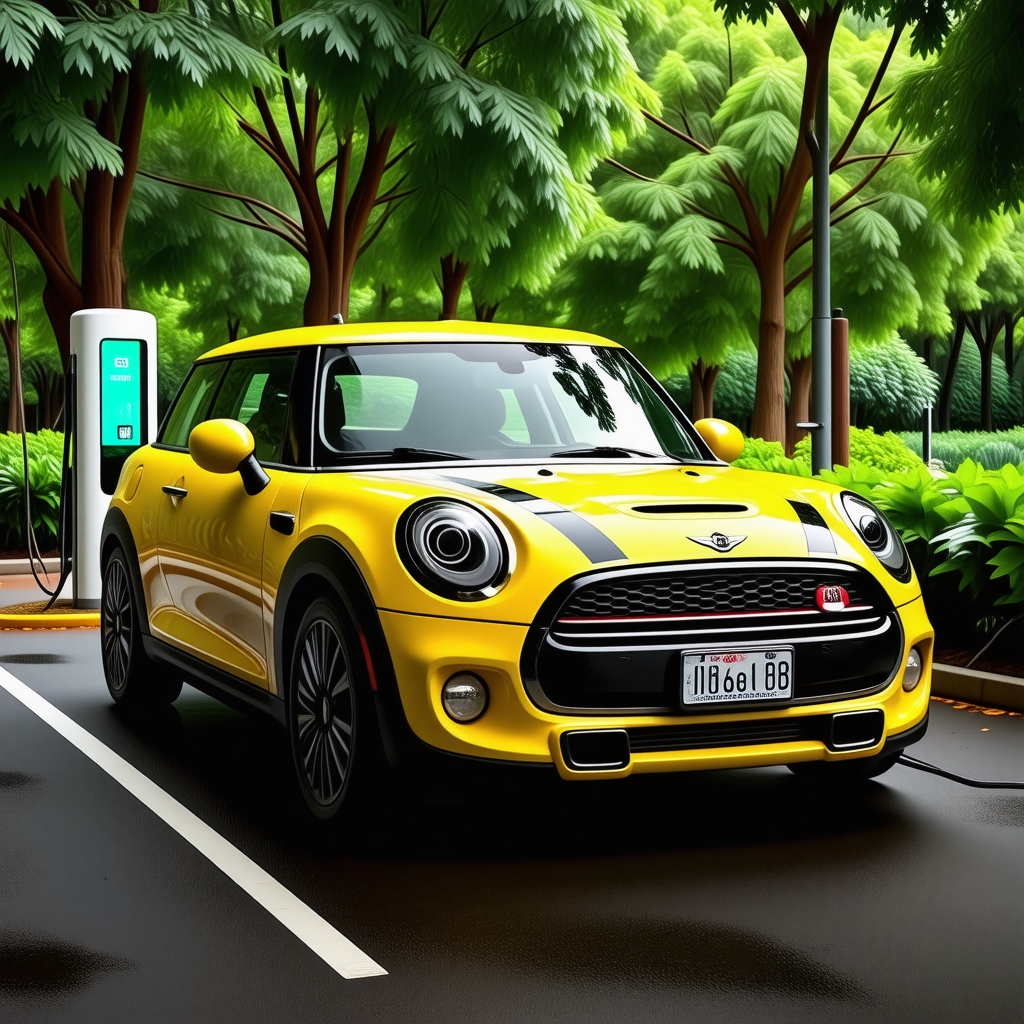
Mini E (2010) — Mini's Engage in Sustainability: Electric Concept - 05
Rebirth of the Mini Cooper: The 1994 Revival
In 1994, BMW acquired the Mini brand and began revitalizing the Mini Cooper, which led to the launch of the modern Mini Cooper in 2001, blending classic design with contemporary technology. This revival marked a notable trend in automotive markets where nostalgia would play a key role in consumer preferences. The new Mini retained the original's distinctive shape but introduced modern standards in safety, performance, and comfort, including a 1.6-liter engine capable of 0-60 mph in just 7.5 seconds. This meant that the Mini not only appealed to a nostalgic audience but attracted new drivers seeking a blend of fun and functionality. The reinvigoration of the Mini brand showcased an industry's ability to adapt legacy models to fit current market demands, which has inspired other brands to consider reviving classic models with modern twists. The 1994 acquisition and subsequent design overhaul have since influenced how automakers approach brand heritage while integrating advanced technological features to captivate a diverse consumer base today.
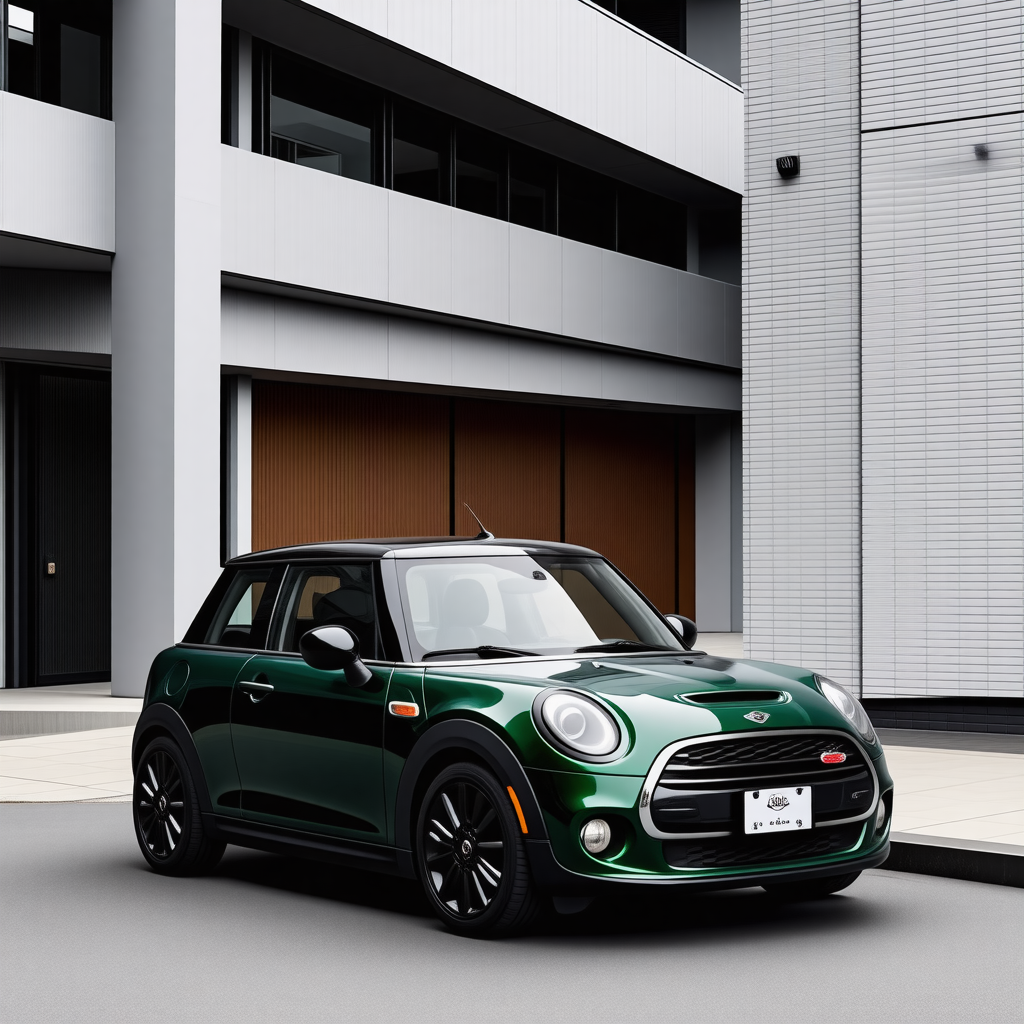
Mini Cooper (1994) — Rebirth of the Mini Cooper: The 1994 Revival
Explore More
By Brand
Car Facts Daily · Issue 087