Nissan Leaf: The Mass-Market EV Pioneer — Plus 4 More Facts
Did you know the Nissan Leaf was the first mass-market EV? Its launch redefined electric cars globally. Check out more cool automotive facts! 🚗💡
By The Car Geek · June 5, 2026
- 01
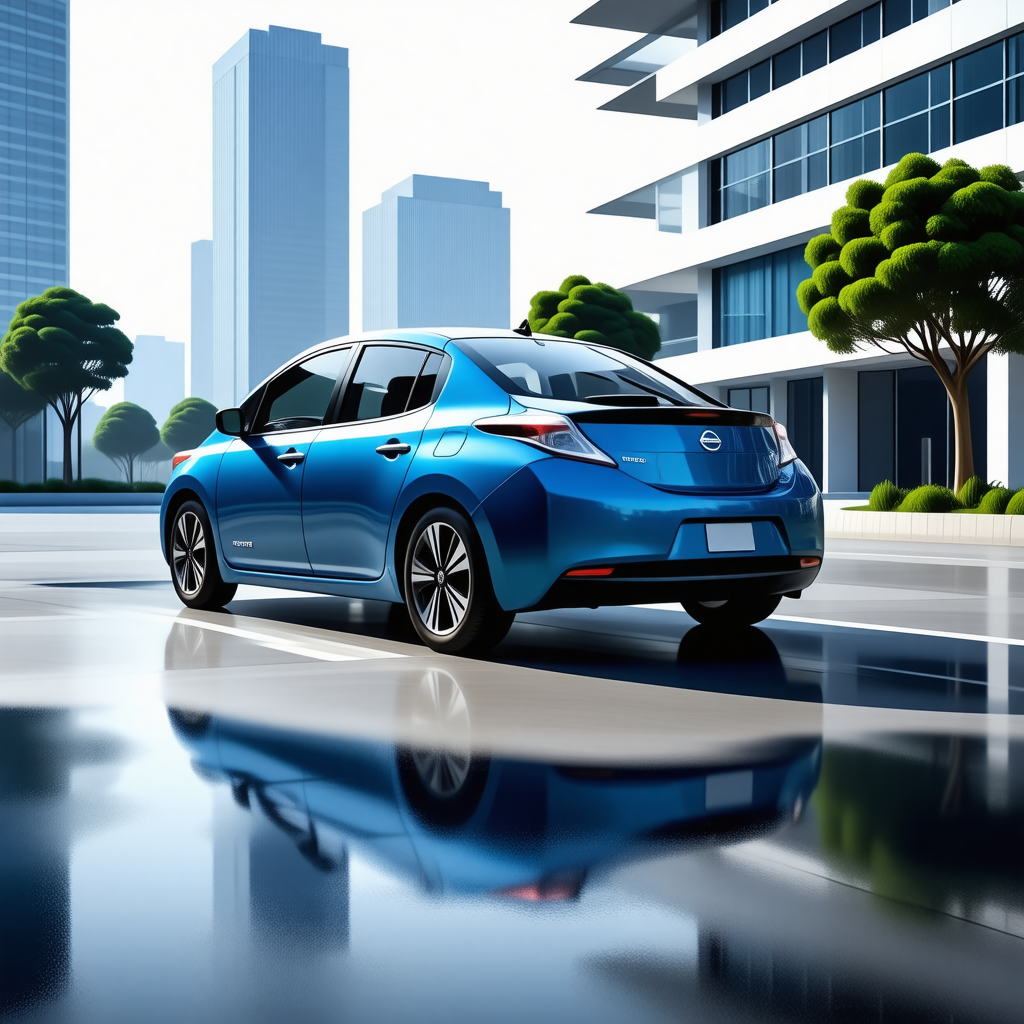
Nissan Leaf: The Mass-Market EV Pioneer
The Nissan Leaf was launched in 2010 and quickly became the world’s best-selling electric vehicle, establishing a blueprint for mass-market EVs. With a range of 73 miles and a 0-60 mph time of about 10 seconds, it proved that electric mobility could be accessible and practical for everyday use. Before the Leaf, EVs were often limited to luxury cars or niche markets, with limited mainstream appeal. The introduction of the Leaf represented a significant turning point, making electric vehicles a common sight on roads around the world. It influenced a variety of automakers to invest significantly in electric technologies, helping to expand the market for EVs and pushing the automotive industry toward a more sustainable future. Its success has led to a diverse lineup of EVs available today, responding to evolving consumer needs and environmental concerns.
Nissan Leaf (2010) — Nissan Leaf: The Mass-Market EV Pioneer - 02
Revolutionizing EV Technology with Tesla Model Y
In March 2020, Tesla launched the Model Y, an electric compact SUV that rapidly gained popularity for its blend of technology, performance, and spaciousness. Capable of 0-60 mph in just 3.5 seconds with a range of up to 326 miles, it became a benchmark for performance in the electric SUV category. Prior to the introduction of the Model Y, electric SUVs were typically smaller and less capable, often compromising range for size. Tesla's approach combined cutting-edge battery technology with familiarity in design, capitalizing on trends favoring larger vehicles without sacrificing electric efficiency. This vehicle emphasized that electric vehicles could appeal to families and outdoor enthusiasts alike, pushing competitors to enhance their EV offerings. The Model Y not only solidified Tesla's dominance in the EV market but also played a significant role in encouraging global automakers to prioritize electric vehicle development and sustainability.
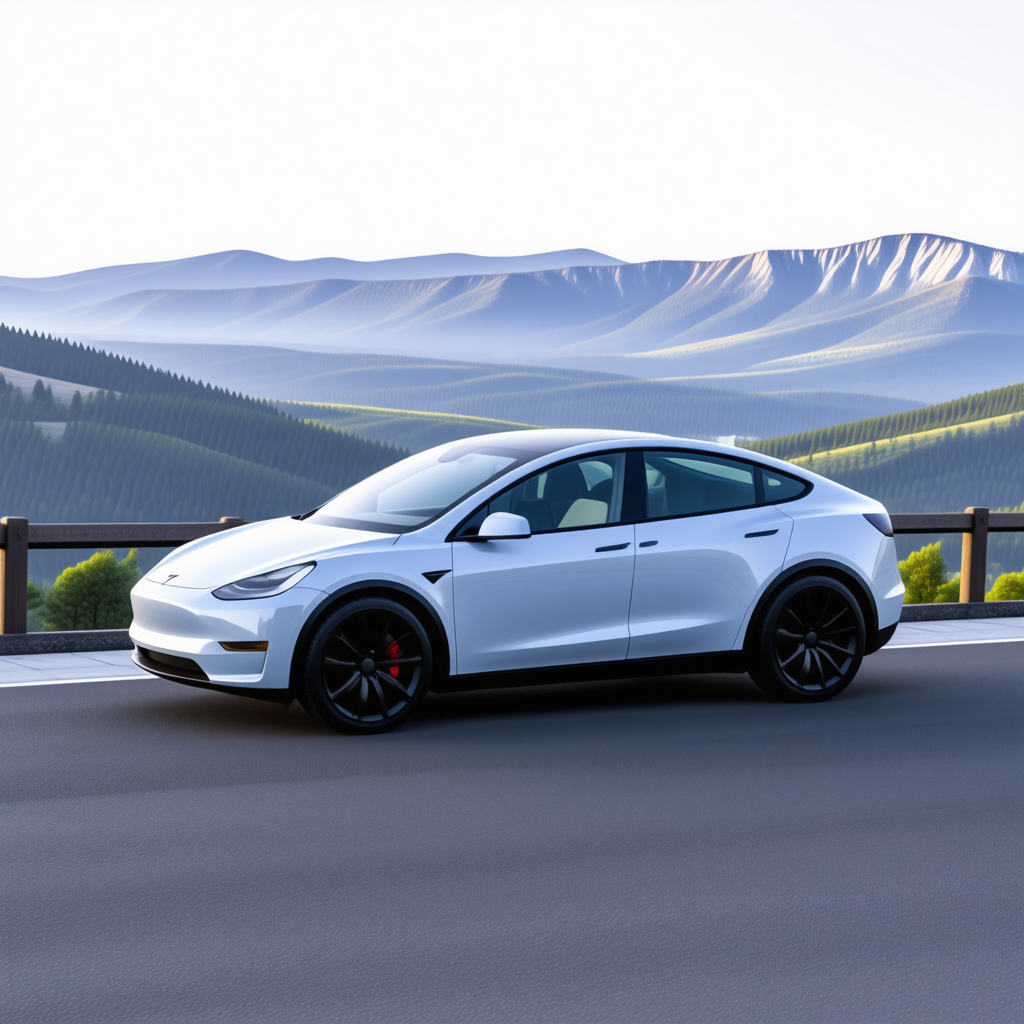
Tesla Model Y (2020) — Revolutionizing EV Technology with Tesla Model Y - 03
The Birth of the Electric Car Revolution
In 1900, Ferdinand Porsche unveiled the Lohner-Porsche Mixte, the world's first gasoline-electric hybrid vehicle, at the Paris Exposition Universelle. This innovative design combined an internal combustion engine with electric motors located in the front wheels, marking a pivotal moment in automotive history. The Mixte was capable of producing 5 horsepower from its gas engine, while the electric motors provided an additional 2 horsepower. This dual-drive system allowed for greater efficiency and a smoother ride compared to standard gasoline vehicles of the time. Prior to this groundbreaking invention, electric vehicles were primarily small city cars or trams, and the automotive industry was dominated by steam and gasoline engines. The Lohner-Porsche Mixte paved the way for future hybrid and electric vehicles, influencing major automotive developments throughout the 20th century and into the present day, laying the groundwork for the sustainable mobility solutions we see today.

Lohner-Porsche Mixte (1900) — The Birth of the Electric Car Revolution - 04
Toyota's Trailblazer with the RAV4 EV
In 1997, Toyota launched the RAV4 Electric Vehicle, becoming one of the first major automakers to produce a fully electric SUV. The RAV4 EV offered a range of approximately 100 miles on a single charge, with a top speed of 78 mph, showcasing the potential of electric SUVs in an era dominated by gasoline engines. Before its release, electric vehicles were largely seen as niche products appealing to environmentally conscious consumers, but the RAV4 EV challenged this by appealing to a wider audience seeking utility and practicality. This vehicle marked an important shift in the SUV market, with Toyota taking a bold step to embrace sustainable technology. Its success led to further investments in electric technology by not just Toyota but the entire automotive industry, influencing the design and capabilities of modern electric SUVs seen today.

Toyota RAV4 EV (1997) — Toyota's Trailblazer with the RAV4 EV - 05
Datsun's Bold Step into Electric Driving
In 1974, Datsun (now Nissan) introduced the 1974 Datsun 1200 Electric, which was one of the first mass-produced electric vehicles in Japan. This small car featured a top speed of 40 mph and an impressive range of 30 miles on a single charge. Before this leap, electric vehicles were largely neglected in favor of gas-powered cars, commonly seen as inferior and impractical for the average consumer. The Datsun 1200 Electric marked a significant shift in consumer perception, demonstrating that electric cars could be functional and viable. It represented Japan's early commitment to electric mobility and set the stage for future advancements in EV technology in the country. The promotion of the 1200 Electric encouraged other automakers to explore electric solutions, leading to significant developments that proliferated in the late 20th and early 21st centuries.

Datsun 1200 Electric (1974) — Datsun's Bold Step into Electric Driving
Explore More
Car Facts Daily · Issue 088