Ford Mustang Mach-E Launches Electric Revolution — And 4 More Car Facts
Did you know the Ford Mustang Mach-E launched a new electric era for Ford? Exciting story on how it paved the way for the future of cars! 👇
By The Car Geek · June 11, 2026
- 01
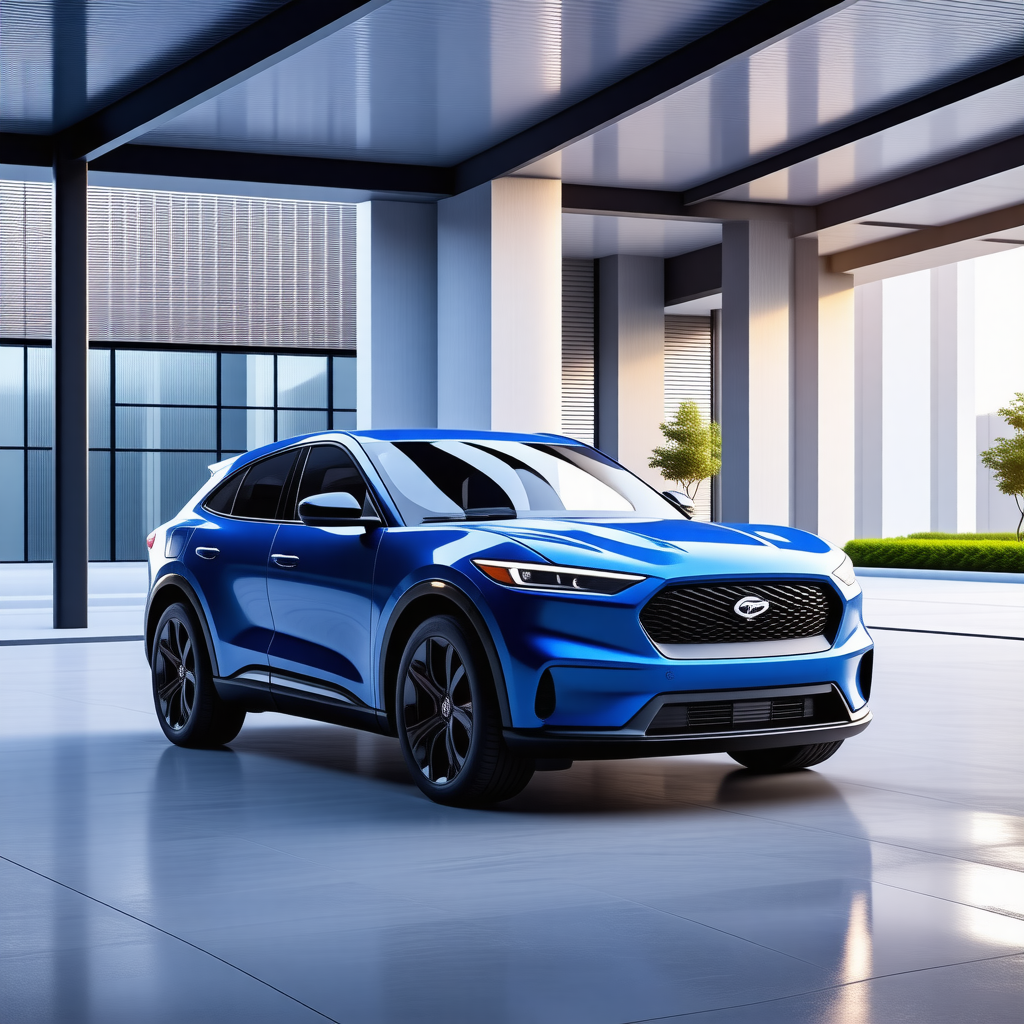
Electric Revolution: The Mustang Mach-E Launch
In November 2020, Ford unveiled the Mustang Mach-E, its first all-electric SUV, showcasing a monumental shift in the brand's direction and commitment to sustainable technology. This model marked the first time the Mustang name was applied to an electric vehicle, combining the brand's performance heritage with cutting-edge electric drivetrain technology. The Mach-E offers various configurations with up to 480 horsepower and impressive acceleration, going from 0 to 60 mph in as little as 3.5 seconds. This launch was significant not only for Ford, which aimed to redefine itself amid increasing competition from brands like Tesla, but also for the automotive industry, as it demonstrated how traditional auto manufacturers could successfully pivot toward electric mobility while leveraging their iconic branding. The Mach-E has since inspired other legacy automotive companies to accelerate their electric vehicle programs, proving that excitement and sustainability can coexist in the market.
Ford Mustang Mach-E (2020) — Electric Revolution: The Mustang Mach-E Launch - 02
The Birth of an American Legend
In April 1964, the Ford Mustang debuted at the New York World's Fair, marking a pivotal moment in automotive history. Designed by a team led by Lee Iacocca, the Mustang was positioned as a 'pony car' that blended style, performance, and affordability, creating a new market segment. With a starting price around $2,368, it appealed to young, first-time buyers and enthusiasts alike, leading to an initial production run of over 22,000 units sold on the first day alone. Its sleek design influenced the aesthetics of many cars to come and established the 'Mustang' as America's iconic sports car. The Mustang's success challenged established European sports cars like the MG and Triumph, showing that American manufacturers could compete on both style and performance. This moment ignited a cultural phenomenon around the Mustang that persists today.
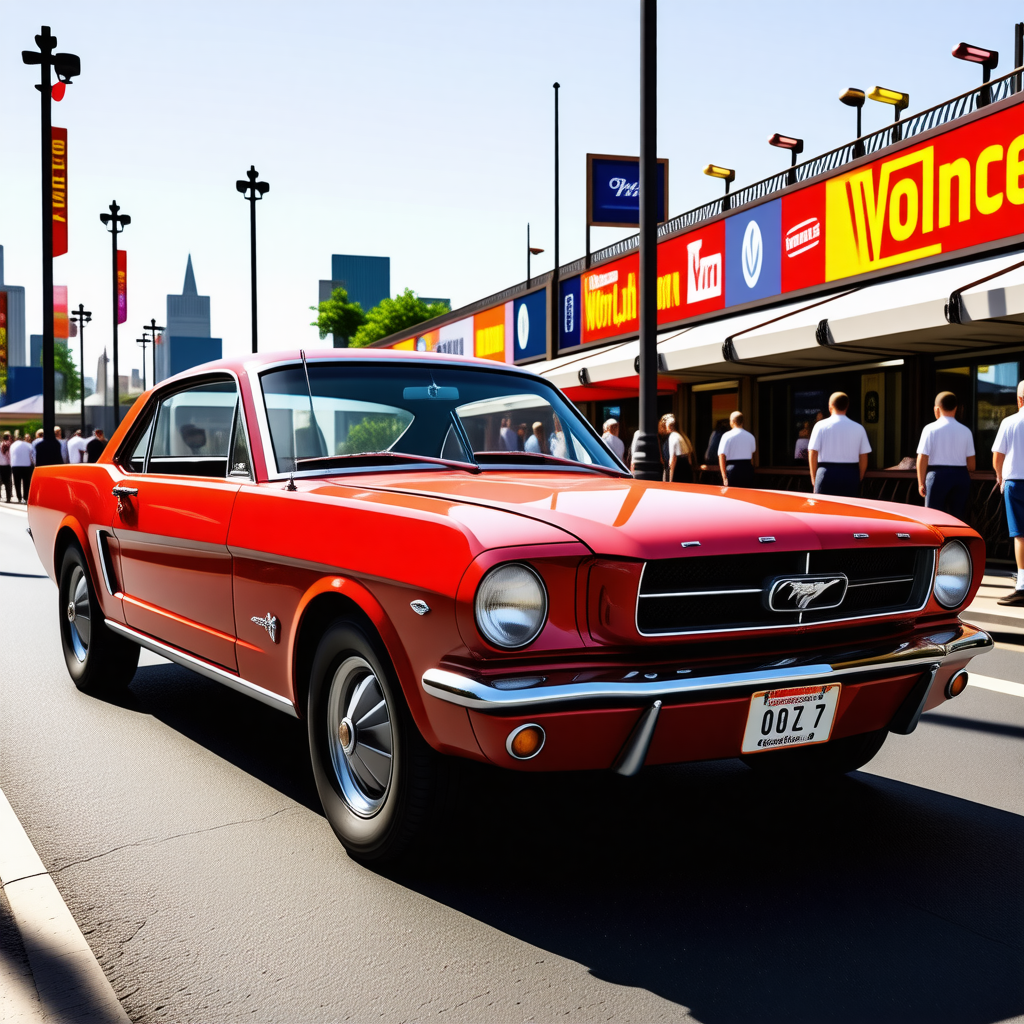
Ford Mustang (1964) — The Birth of an American Legend - 03
A Modern Classic: The Fifth-Generation Mustang
In 2005, Ford reintroduced the Mustang with a retro-styled fifth generation, blending classic design elements with modern performance and features. The new Mustang drew design inspiration from the original 1960s models, featuring a long hood and short deck, while incorporating contemporary technology like a robust V8 engine with up to 300 horsepower and improved suspension systems. This reboot was celebrated not only by enthusiasts but also helped reinvigorate the muscle car segment, leading to increased sales and renewed interest from consumers, reflecting a nostalgic longing for classic American muscle. The fifth-generation Mustang's success encouraged other manufacturers to embrace retro design in their own models, as seen in the resurgence of vehicles like the Chevrolet Camaro. This era established the Mustang as a symbol of American automotive culture and loyalty, leading to future advancements including the eventual expansion into high-performance variants.
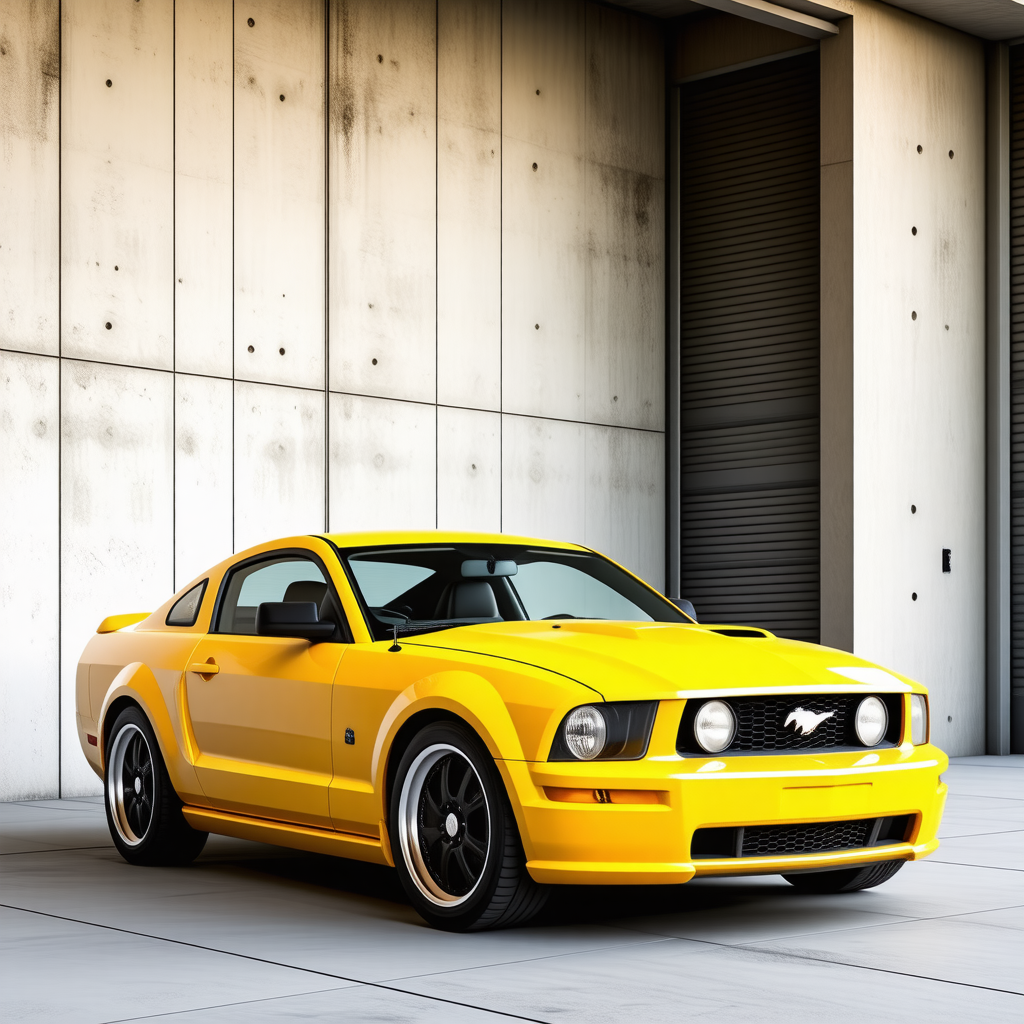
Ford Mustang V5 (2005) — A Modern Classic: The Fifth-Generation Mustang - 04
Mustang Goes High-Tech: The SVO
In 1984, Ford launched the Mustang SVO, a turbocharged variant that represented a shift towards performance engineering and technology in the Mustang line. The SVO featured a 2.3-liter inline-four engine producing 175 horsepower and was equipped with advanced technologies such as a multi-port fuel injection system and a new aerodynamic body design. This model appealed to a more tech-savvy generation and reflected the changing automotive trends influenced by the energy crises of the late 70s and early 80s, as consumers began to prioritize efficiency along with performance. The introduction of the SVO showed the industry's movement towards integrating technology into muscle cars, paving the way for later innovations in fuel efficiency and performance tuning that we see in today's market. This model not only revived interest in performance variants but also helped solidify Mustang's enduring legacy as a forward-thinking brand.
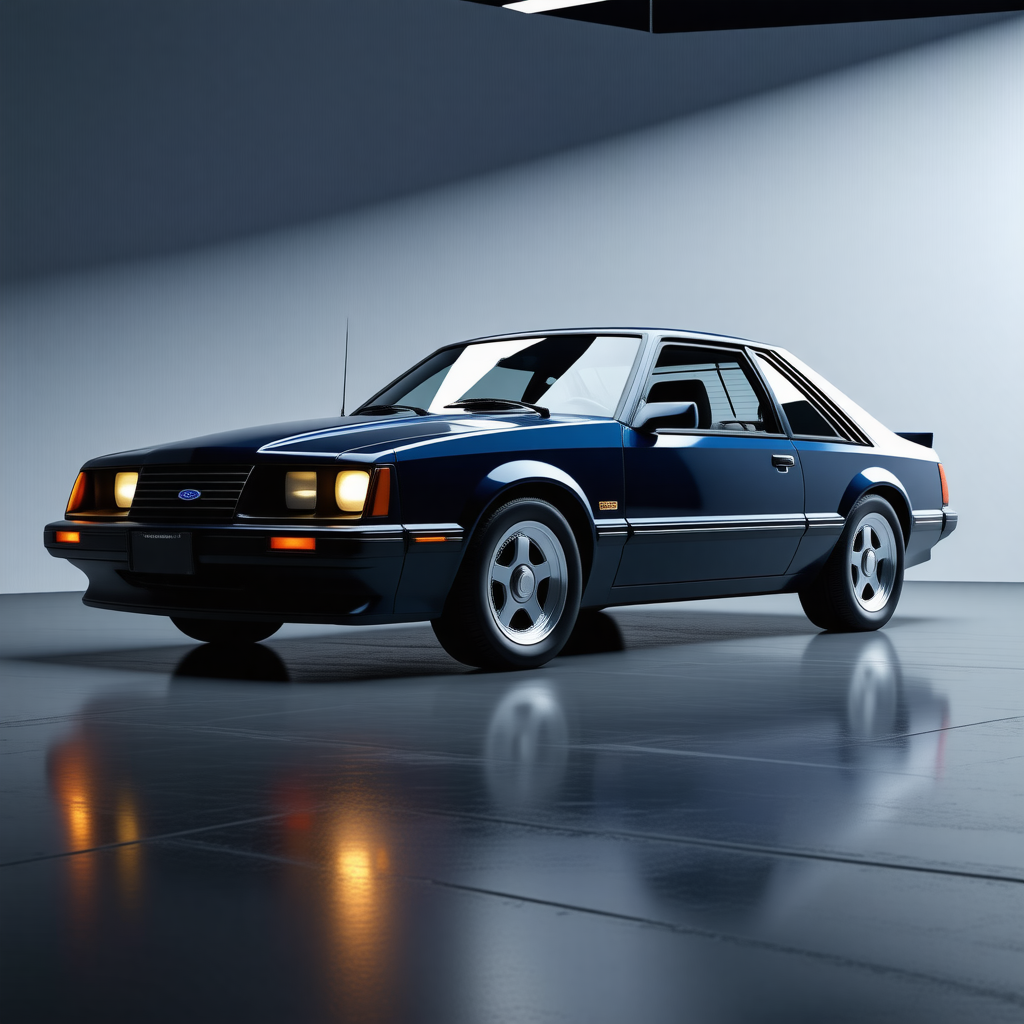
Ford Mustang SVO (1984) — Mustang Goes High-Tech: The SVO - 05
Mustang's Power Play with the Boss 302
In 1970, Ford introduced the Mustang Boss 302, a performance variant that underscored the brand's racing ambitions and brought a new level of power to the lineup. Designed specifically to compete in the Trans-Am racing series, the Boss 302 featured a high-output 302 cubic-inch V8 engine producing 290 horsepower, a distinctive front spoiler, and unique racing stripes. This model signified a shift in consumer interests toward performance-oriented vehicles, and its success on the racetrack captured the imagination of a generation. The Boss 302 cemented the Mustang's place in motorsport history and set the standard for future performance models. Moreover, it influenced the muscle car segment, prompting competitors like Chevrolet and Dodge to enhance their own offerings with more aggressive specifications, shaping the landscape of American performance cars.
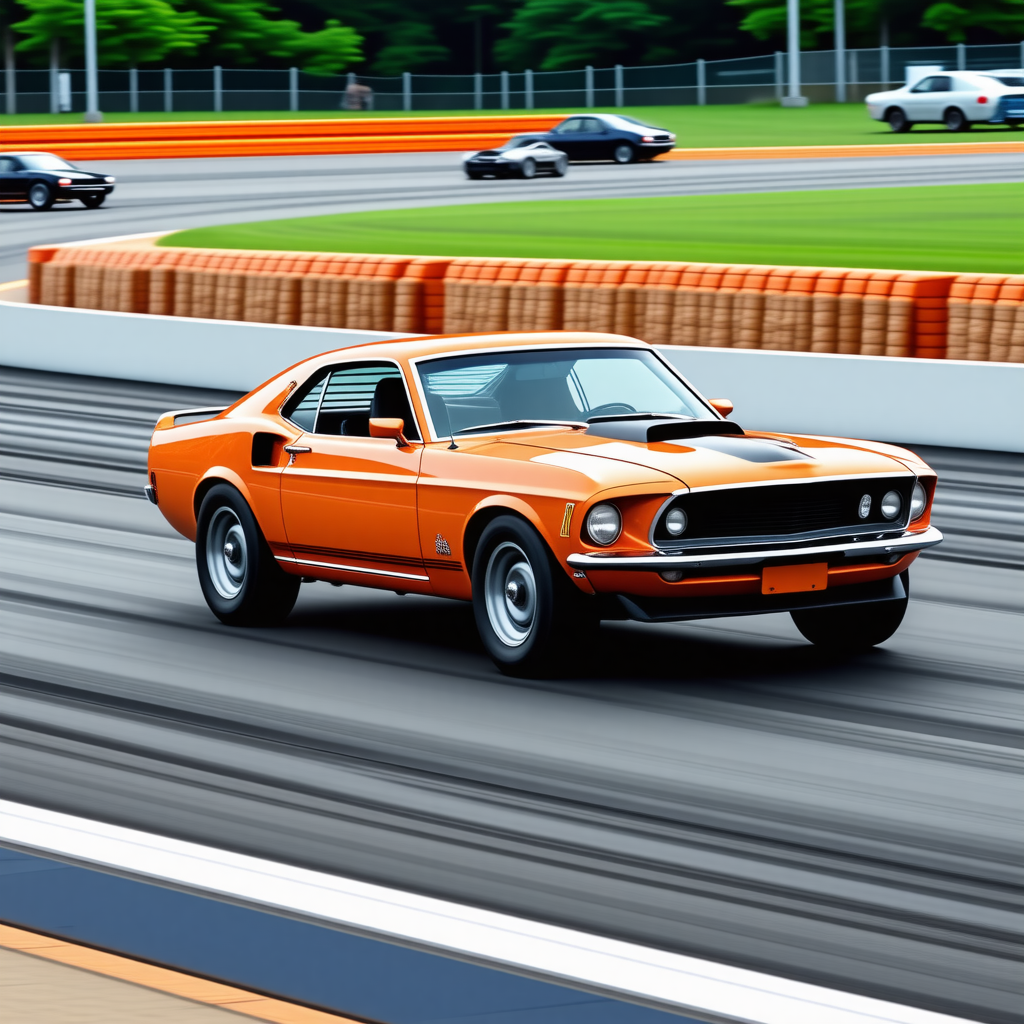
Ford Mustang Boss 302 (1970) — Mustang's Power Play with the Boss 302
Explore More
By Topic
Car Facts Daily · Issue 094