Datsun 240Z Launch Revolutionizes Sports Cars — And 4 More Facts
Did you know the Datsun 240Z reshaped the American sports car scene? Discover how this iconic car made waves in 1969! 🚗✨
By The Car Geek · June 12, 2026
- 01
Datsun 240Z Launch Revolutionizes Sports Cars
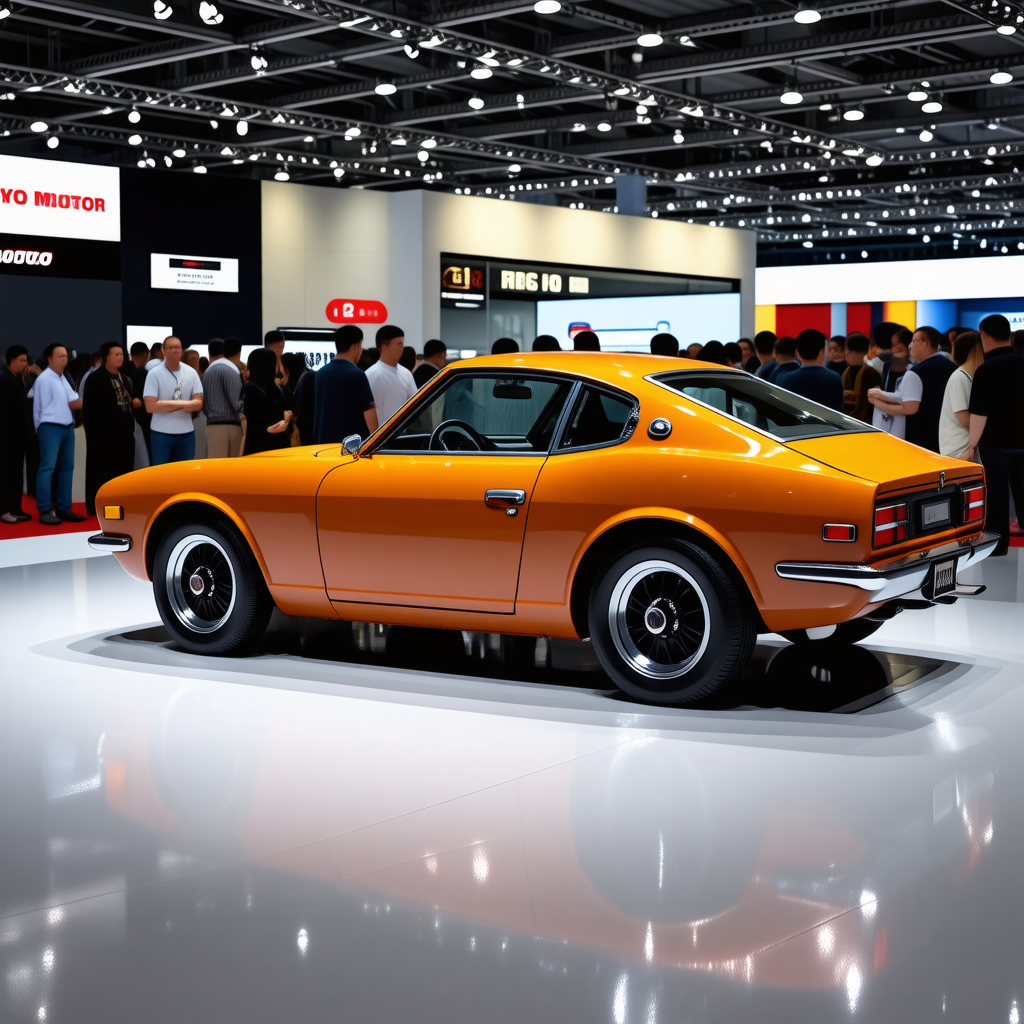
In 1969, the Datsun 240Z was introduced at the Tokyo Motor Show, marking a pivotal moment in the automotive industry that would influence the American sports car market. Designed by Yoshihiko Matsuo, the 240Z combined elements of performance and affordability, featuring a 2.4-liter inline-six engine capable of generating 151 horsepower. Prior to its launch, American consumers had limited access to affordable sports cars, primarily dominated by European brands like Jaguar and Porsche. The introduction of the 240Z not only provided a credible competitor but did so at a price point of around $3,500, making it accessible to a larger audience. The 240Z became a sensation, driving nearly 22,000 units sold in its first year in the U.S., effectively changing how Japanese cars were perceived in the American market. The success built the foundation for Nissan’s future in North America and showcased the potential for Japanese engineering prowess in a segment traditionally led by Western manufacturers.
Datsun 240Z (1969) — Datsun 240Z Launch Revolutionizes Sports Cars - 02
Datsun Legacy Celebrated with Return of Z Car
In 2019, Nissan unveiled the prototype of the 400Z at the Tokyo Motor Show, marking a revival of the Z-car lineage that began with the Datsun 240Z over five decades prior. The new model encapsulates modern performance technology while paying homage to its predecessors, featuring a twin-turbo 3.0-liter V6 engine generating approximately 400 horsepower. Before this prototype, the sports car market was witnessing the dominance of heavyweights with supercharged and all-electric alternatives, prompting Nissan to revitalize its iconic series. The re-introduction sparked excitement among enthusiasts and collectors, as it reminded the automotive world of the 240Z's pioneering spirit. The impact of the 400Z prototype signifies a renewed interest in performance-focused cars, bridging the gap between past and present by delivering a modern interpretation of nostalgia while addressing contemporary performance needs, setting a new benchmark for the evolution of sports cars.
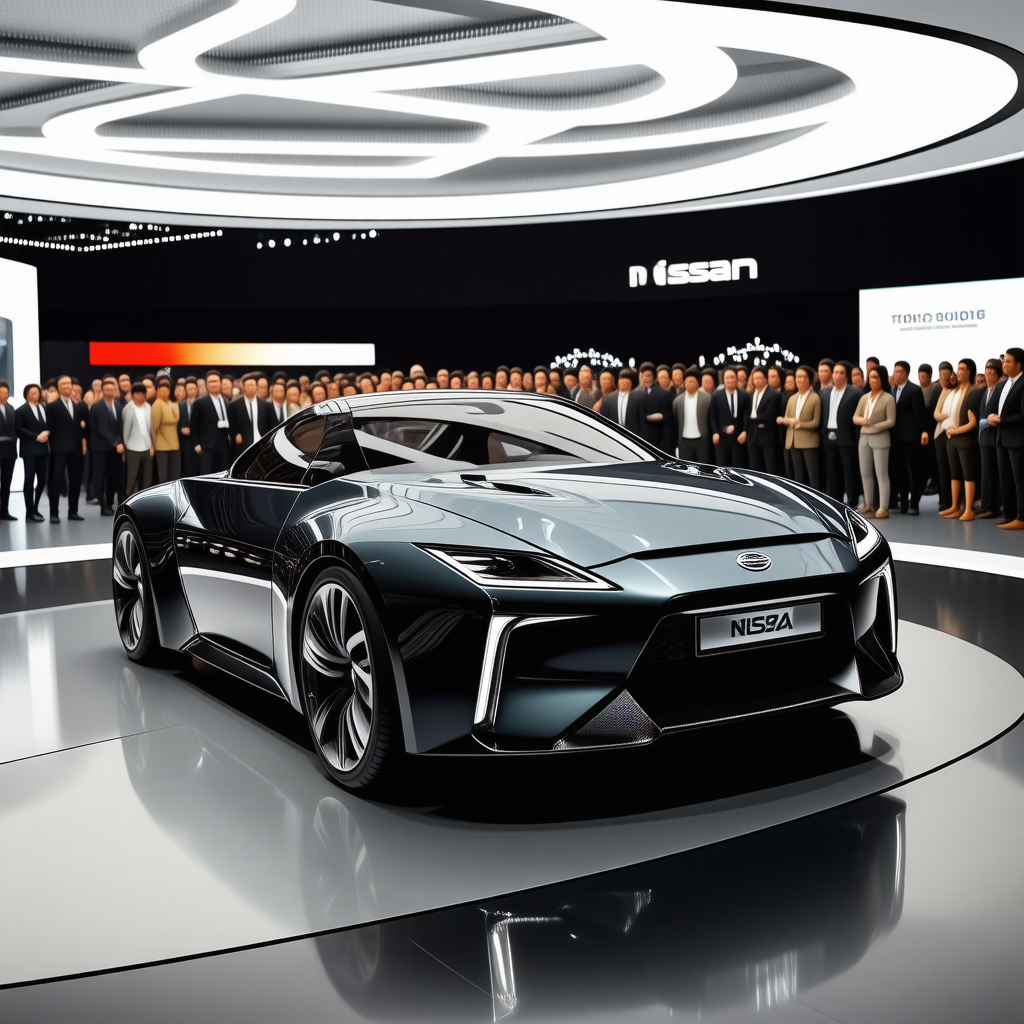
Nissan 400Z (2019) — Datsun Legacy Celebrated with Return of Z Car - 03
240Z Sparks Interest in Japanese Imports
In 1983, the Datsun 240Z's legacy continued to thrive as the growing demand for Japanese imports led to its recognition among collectors and automotive enthusiasts globally, cementing the car's iconic status. As the oil crisis of the 1970s prompted a shift toward more fuel-efficient vehicles, models like the 240Z provided a perfect balance of performance and practicality. During this period, Datsun transitioned to Nissan, leading to a push for rebranding and expansion into new markets. The resurgence of interest in classic cars during the early 1980s was fueled by automotive magazines and car clubs, where the 240Z was often celebrated for its performance pedigree and styling. The impact of this trend encouraged automakers to reconsider their limited domestic offerings and paved the way for the diverse array of vehicles available today, propelling the import scene in the U.S. to become a significant component of the market.
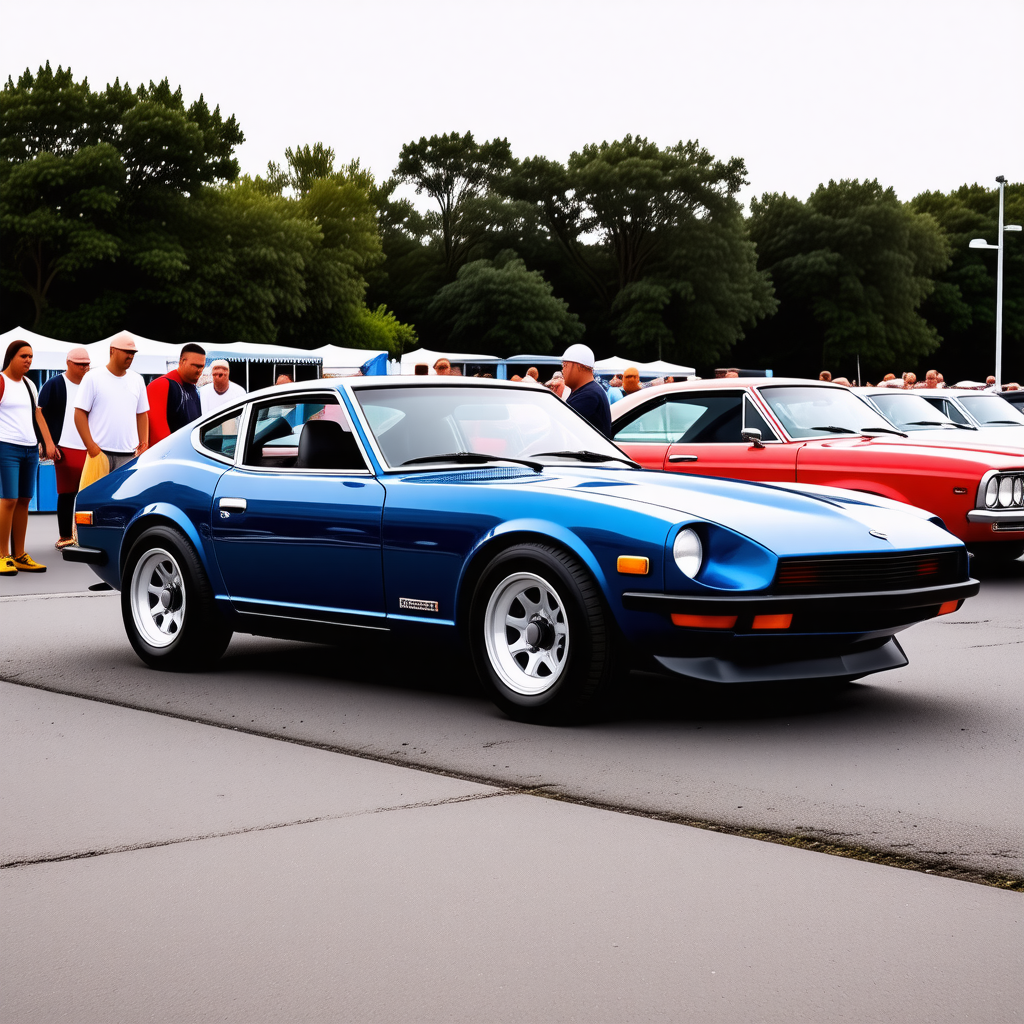
Datsun 240Z (1983) — 240Z Sparks Interest in Japanese Imports - 04
240Z Inspires 1997 SEMA Show Recognition
The Datsun 240Z played a significant role in automotive culture on a global scale when it was celebrated at the 1997 Specialty Equipment Market Association (SEMA) Show, showcasing its profound impact on the aftermarket industry. Customization and tuning had become prominent in car culture, and the versatile platform of the 240Z attracted attention from builders looking to create unique modifications. Prior to this event, the idea of a sports car being heavily modified and celebrated had not taken hold like it would after the 240Z gained acclaim. This recognition at the SEMA Show highlighted the increasing acceptance of modified vehicles and underscored the importance of personalization in automotive culture, paving the way for future generations of car enthusiasts to explore their creativity through vehicle enhancements, exemplified by the countless builds and concepts present at subsequent SEMA Shows.
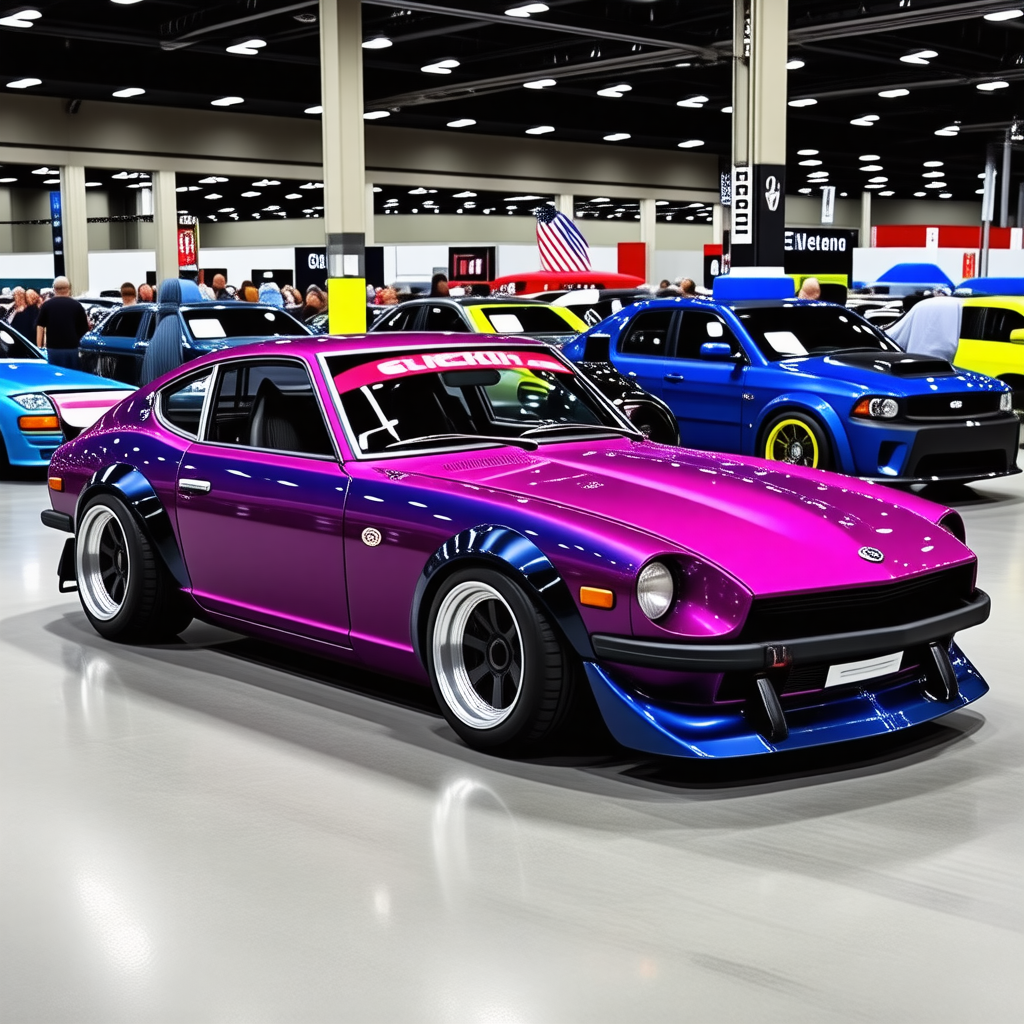
Datsun 240Z (1997) — 240Z Inspires 1997 SEMA Show Recognition - 05
240Z Dominates at SCCA National Championships
In 1976, the Datsun 240Z clinched the championship title at the Sports Car Club of America (SCCA) National Championships, solidifying its reputation as a competitive racing vehicle. Driven by Bob Bondurant, the 240Z showcased not only its speed but also its remarkable handling, attributes largely due to its lightweight construction and low center of gravity. Before this victory, the SCCA racing scene was dominated by heavier American muscle cars, leaving a niche for lighter, more agile vehicles. The triumph of the 240Z in the event introduced many American fans to Japanese engineering excellence, encouraging more enthusiasts to engage in racing and fostering a competitive spirit that would later expand into the street car market. This event also inspired a host of aftermarket modifications, setting the stage for the tuning culture that thrives in the U.S. today, demonstrating how a single car can influence motorsports and street performance.
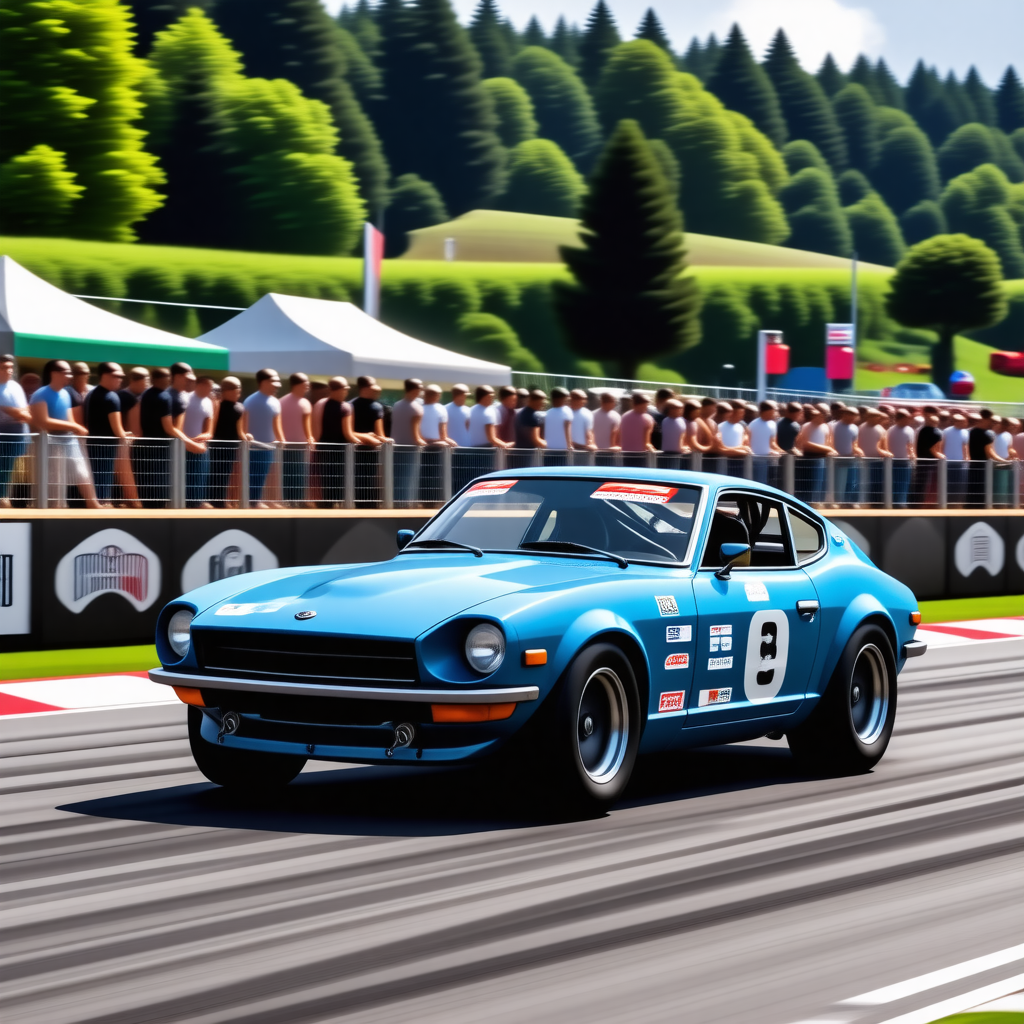
Datsun 240Z (1976) — 240Z Dominates at SCCA National Championships
Explore More
By Brand
Car Facts Daily · Issue 095